
Takanini homeowners face unique electrical challenges that require knowledge and skill to resolve effectively. Whether you’re dealing with flickering lights, faulty outlets, or circuit breaker issues, understanding the key electrical repair tips can help you maintain your home’s safety and efficiency. In this blog post, you will discover vital strategies for tackling common electrical problems, ensuring that you can handle minor repairs with confidence while knowing when it’s best to call in a professional. Your electrical system deserves attention, and these tips will guide you in keeping it in top shape.
Key Takeaways:
- Regularly check and replace any damaged wiring to prevent electrical hazards.
- Utilize surge protectors for appliances to safeguard against voltage spikes.
- Be aware of your home’s electrical load capacity to avoid overloading circuits.
- Understand the importance of proper GFCI installation in areas prone to moisture.
- Seek professional help for complex repairs or installations to ensure safety and compliance.
Common Electrical Issues Every Takanini Homeowner Should Know
Understanding common electrical issues can save Takanini homeowners time and money. Issues such as circuit overload, flickering lights, and faulty outlets often arise, leading to potential hazards if not addressed promptly. Familiarizing yourself with these concerns will help you recognize early signs and take appropriate action before they escalate.
Circuit Overload: Identifying the Signs
Circuit overload occurs when too many devices draw power from a single circuit. You may experience tripped circuit breakers, frequent blown fuses, or warm outlets. If you notice any of these signs, it’s vital to reassess your electrical usage and distribution across circuits to avoid overheating and potential hazards.
Flickering Lights: Causes and Solutions
Flickering lights can be an irritating issue for homeowners. Causes may include loose or frayed wiring, poor connections, or overloaded circuits. If flickering is persistent, it’s vital to consult a licensed electrician to evaluate the underlying problem and implement a proper solution.
To address flickering lights effectively, start by checking the bulbs themselves; sometimes, replacing a burnt-out bulb can resolve the problem. If the flickering continues, inspect the light fixtures for loose connections or damaged wiring. In cases of older homes, outdated electrical systems could be overburdened, necessitating upgrades. Engaging a professional electrician ensures that any hazardous conditions are safely remedied and that your lighting system operates reliably. Keep an eye on this issue, as it might signal deeper electrical concerns that require immediate attention.
Essential Safety Protocols for DIY Electrical Repairs
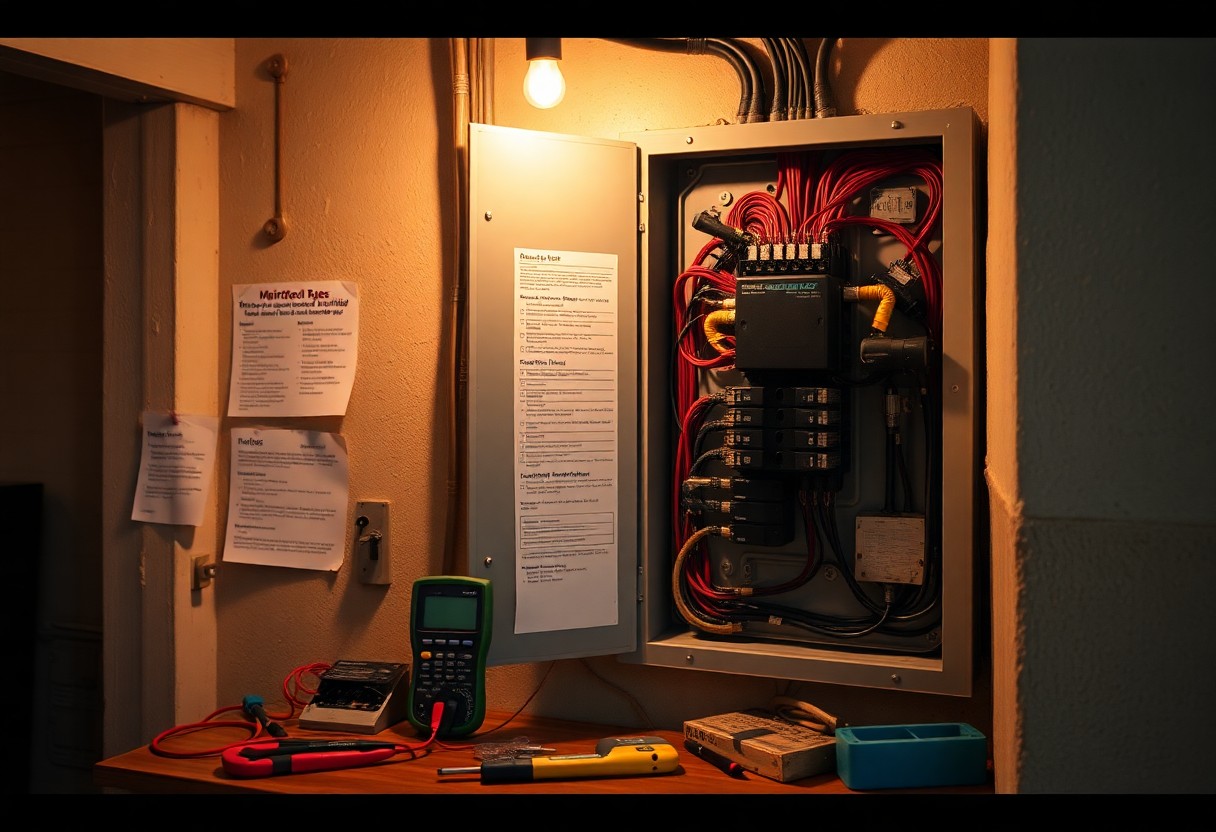
Taking on electrical repairs at home can be rewarding, but maintaining safety during the process is paramount. Always turn off the power at the circuit breaker before starting any work, and use a voltage tester to ensure that wires are de-energized. Having an understanding of crucial safety protocols will safeguard against potential hazards such as electric shocks and fires, making your DIY project much more manageable.
Understanding Circuit Breakers and Fuses
Your circuit breaker or fuse box acts as the central hub for your home’s electrical system, controlling the power supply and protecting against overloads. Familiarizing yourself with the specifics, such as how to reset a tripped breaker or replace a blown fuse, enables you to keep your electrical systems functioning smoothly, and assists you in identifying when professional help might be necessary.
Personal Safety Equipment: The Must-Haves
Utilizing the right personal safety equipment can significantly reduce the risks associated with DIY electrical repairs. Essential items include insulated gloves to prevent electric shock, safety goggles to protect your eyes, and non-conductive tools to minimize the risk of short circuits. These tools add a layer of protection, allowing you to concentrate on the task at hand without compromising your safety.
Investing in high-quality personal safety equipment is a wise decision for any Takanini homeowner. Choose insulated gloves rated for electrical work, as they can handle voltage levels typical in residential circuits. Safety goggles are critical for protecting your eyes from debris and accidental sparks. Lastly, always use non-conductive tools like rubber-handled screwdrivers to prevent electrical shorts or shocks. Ensuring you have these crucials allows you to approach your projects with confidence and care.
Maintenance Tips to Prevent Electrical Failures
Maintaining your electrical system is necessary for preventing failures. Regular upkeep can save you time and money in the long run. Follow these tips to keep your system running smoothly:
- Check all outlets for damage or wear.
- Replace frayed extension cords promptly.
- Ensure all electrical panels are clean and accessible.
- Install surge protectors on sensitive equipment.
- Never overload circuits with too many devices.
Assume that neglecting these aspects will lead to more significant issues down the line.
Regular Inspections: What to Look For
Conducting regular inspections of your electrical system allows you to identify potential problems before they worsen. Look for any signs of wear on outlets and switches, discoloration, or unusual smells that can indicate overheating. Additionally, check that circuit breakers and fuses are functioning correctly. Pay attention to any flickering lights or tripped breakers, as these could signal underlying issues.
Importance of Proper Ventilation for Electrical Components
Proper ventilation plays a significant role in the longevity and safety of your electrical components. Without sufficient airflow, heat can build up around crucial elements like circuit breakers and wiring, raising the risk of overheating and potential electrical fires. Therefore, positioning appliances and electrical panels in well-ventilated areas will help maintain lower temperatures, leading to increased efficiency and reduced risk of failure.
The recommended ambient temperature for most electrical components is between 20-30°C. Maintaining this range can substantially extend the life of your electrical devices. Ensure that vents remain clear of debris and that devices are spaced out appropriately to allow for adequate airflow. Regularly check for dust accumulation, as excessive dust can act as an insulator, trapping heat and causing components to operate inefficiently. Enhancing ventilation not only safeguards your electrical system but also contributes to overall energy efficiency in your home.
Smart Home Integration: Enhancing Electrical Efficiency
Integrating smart home technology into your Takanini residence can significantly boost your electrical efficiency. By utilizing devices that connect seamlessly to your home network, you can monitor and control your appliance usage, leading to less waste and a reduction in your electricity bills. Smart home systems allow for real-time tracking of energy consumption, enabling you to identify and address areas where energy is being inefficiently used.
Energy-Efficient Devices: Choosing Wisely
Selecting energy-efficient appliances is a smart way to lower your electricity consumption. Look for devices with high energy star ratings, as they consume less power while providing the same performance. From LED lighting to smart thermostats, each carefully chosen device contributes to a more sustainable home environment and can dramatically decrease your monthly energy expenses.
Home Automation: Reducing Electrical Loads
Implementing home automation systems allows you to streamline and manage your energy use effectively. For instance, using smart plugs, you can schedule when devices turn on and off, meaning that devices aren’t operating when they’re not needed. By automating climate controls and lighting based on occupancy, significant reductions in electrical loads are achievable, translating to both less energy waste and cost savings on your utility bills.
Consider a comprehensive approach to home automation by installing smart sensors that detect movement and adjust lighting accordingly. For instance, if no one is in a room, the lights can turn off automatically, saving energy. Additionally, programmable thermostats allow you to set temperature schedules to ensure that heating or cooling systems operate only when necessary. Statistics show that effective home automation can reduce energy consumption by up to 30%, making your home not only smarter but also more eco-friendly.
When to Call a Professional Electrician
Certain electrical issues are best left to the experts. If you encounter frequent power outages, flickering lights, or persistent burning smells, seek professional help immediately. Attempting to resolve these problems without adequate knowledge can lead to further hazards, including fire risks. Always prioritize safety and don’t hesitate to reach out to a qualified electrician to ensure your home remains safe and functional.
Recognizing Complex Problems That Require Expert Help
It’s easy to underestimate electrical problems, but some signs point to complex issues that necessitate expert evaluation. Frequent circuit breaker trips, burned sockets, or unusual buzzing noises from outlets indicate underlying electrical faults that need professional diagnosis and repair. Understanding these signs can save you time and prevent potential disasters.
Establishing a Relationship with Local Professionals
Building a rapport with local electricians helps you navigate electrical issues more effectively. Finding trusted professionals in your Takanini community ensures that you have access to their expertise whenever emergencies arise. Establishing a relationship can also yield more personalized service and prompt attention during crises, making it easier to maintain your home’s electrical systems.
Consider interviewing a few local electricians to gauge their expertise, availability, and customer service approach. Ask about their experience with residential projects similar to yours and seek references from fellow Takanini homeowners. By cultivating these connections, you create a reliable network that can assist with routine maintenance and emergency repairs, fostering peace of mind regarding your home’s electrical safety.
Summing up
To wrap up, as a Takanini homeowner, you should prioritize regular inspections, ensure proper circuit load management, invest in quality materials, and stay updated on local regulations. These practices not only enhance the safety of your electrical systems but also extend their lifespan. Don’t hesitate to consult with licensed electricians for any complex repairs or installations to ensure you’re following best practices. By taking these steps, you can maintain a safe and functional electrical environment in your home.
FAQ
Q: What should I do if I notice frequent circuit breaker trips in my Takanini home?
A: Frequent circuit breaker trips may indicate an overload or a fault in your electrical system. Start by unplugging unnecessary appliances to reduce the load. If the problem persists, it’s advisable to contact a licensed electrician to inspect your circuits and ensure they are functioning correctly and safely.
Q: How can I improve the energy efficiency of my home’s electrical system?
A: To enhance energy efficiency, consider replacing traditional incandescent bulbs with LED lights, which use less energy and last longer. Additionally, you can install smart power strips to minimize energy waste from devices that still consume power when turned off. Regular maintenance of appliances can also contribute to lower energy usage.
Q: What are the signs that I need to upgrade my electrical panel?
A: If you frequently experience dimming lights, need to use multiple power strips, or have fuses blowing often, it might be time to upgrade your electrical panel. An older panel may not handle modern electrical demands efficiently. Consulting with a qualified electrician will help you determine the best course of action.
Q: How can I prevent electrical fires in my Takanini home?
A: To minimize the risk of electrical fires, avoid overloading outlets and ensure that all cords are in good condition without frays or exposed wires. Make sure your smoke alarms are installed and functioning properly. Regular inspections of your electrical system by a professional can also help identify potential hazards before they become serious issues.
Q: What should I do if I smell burning or see sparks coming from an outlet?
A: If you notice a burning smell or see sparks from an outlet, it’s necessary to act quickly—to prevent a fire hazard. Immediately turn off the electrical supply to that outlet, if possible, and avoid using it. Call a licensed electrician right away to assess the situation and carry out necessary repairs or replacements.