Most homeowners in Papakura face occasional power problems that can disrupt daily life and damage appliances. Understanding the common causes of these issues, such as weather conditions, infrastructure faults, or equipment failures, can help you identify the source quickly. By knowing the steps to take and the resources available to you, you can minimize inconveniences and ensure your home’s electrical system remains safe and reliable. This guide equips you with important knowledge to manage power problems confidently and protect your property from potential electrical hazards.
Key Takeaways:
- Understanding common causes of power problems in Papakura can help homeowners identify issues quickly, such as faulty wiring, overloaded circuits, or external grid failures.
- Regular maintenance and safety checks by qualified electricians are imperative to prevent electrical hazards and ensure the reliability of home power systems.
- Homeowners should be aware of local power outage procedures and how to safely manage power interruptions until service is restored.
- Investing in surge protectors and backup power solutions can protect appliances and maintain imperative functions during unexpected power failures.
- Knowing when to upgrade electrical systems can improve efficiency and support the growing energy demands of modern households in Papakura.
Red Flags That Indicate Immediate Electrical Repairs Are Necessary
Spotting issues early can prevent small power problems from escalating into dangerous situations. Watch out for signs like sudden outages, burning smells, or outlets that feel warm to the touch. These symptoms often point to underlying electrical faults that demand prompt attention to avoid fire hazards or equipment damage. Being proactive about these indicators helps ensure your home’s electrical system remains safe and reliable.
Flickering Lights and Frequent Breaker Trips
If your lights flicker unpredictably or your circuit breakers trip repeatedly, electrical wiring may be overloaded or faulty. Loose connections can cause intermittent power surges, damaging sensitive devices and increasing fire risks. Frequent breaker trips often mean circuits are drawing more current than they’re designed to handle—common in older homes or when new appliances have been added without upgrading electrical capacity. Addressing these symptoms promptly stops extensive damage and costly repairs.
Unusual Odors or Sounds from Electrical Outlets
Noticing a burning smell or crackling noise near your outlets signals overheating or short circuits within the wiring or devices plugged in. These odors often resemble melted plastic, indicating insulation breakdown that can lead to electrical fires. Buzzing or popping sounds suggest loose wiring or damaged components that require expert inspection. Ignoring such warnings puts your family and property at risk.
Heating within outlets often results from poor connections causing resistance where electricity passes, generating excessive heat. A study of over 100 residential fires found faulty outlets amongst the leading causes, with overheating posing a persistent threat. Detecting these signs early allows electricians to replace worn components or upgrade your system, restoring safety and preventing costly emergencies. Never overlook persistent odors or sounds that seem out of place around your power sockets.
Why Local Knowledge Matters: The Unique Wiring of Papakura Homes
Your home’s wiring in Papakura often bears the stamp of regional materials and installation styles shaped by decades of local building trends. Many homes integrate wiring systems that reflect a mix of old and new practices, sometimes layering copper with aluminium components at junctions. This patchwork is unique to the area and demands electricians who understand these nuances to diagnose and manage issues effectively. Ignoring the specifics of local wiring can lead to misdiagnosis or ineffective repairs that cost you additional time and money.
Historical Wiring Practices in Papakura
Homes built in Papakura during the 1960s and 1970s often used asbestos-insulated cables and porcelain fuse boxes, both now outdated but still present in some properties. These older systems reveal how electrical safety standards have evolved locally, with many newer installations upgrading to PVC insulation and circuit breakers complying with modern regulations. If your home dates back several decades, you’ll encounter wiring setups that require careful handling by electricians familiar with these older methodologies to ensure your safety.
How Local Electricians Navigate Regional Electrical Codes
Electricians in Papakura routinely interpret the New Zealand Electrical Code with sensitivity to local building idiosyncrasies, tailoring their approach to match your home’s specific needs. They account for regional elements such as soil conditions affecting grounding methods and use updated surge protection solutions compatible with the area’s power supply infrastructure. This adept navigation of electrical codes safeguards your home’s system from compliance faults and ensures proper functionality within the unique environmental context.
Diving deeper, local electricians leverage their experience with regional codes by conducting thorough inspections that align every upgrade or repair with current Auckland Council requirements. For example, they might prioritize RCD (residual current device) installations in older Papakura homes where outdated fuse setups once existed. These devices, mandatory under current regulations, provide higher protection against electrocution risks. Their specialized knowledge minimizes disruptions during inspections and fast-tracks approvals for electrical system modifications, ensuring your property meets safety benchmarks without unnecessary delays.
The Crucial Role of Regular Safety Inspections
Regular safety inspections help catch hidden faults in your home’s electrical system before they escalate into costly repairs or dangerous hazards. They involve detailed checks of wiring condition, grounding systems, and circuit breakers, ensuring everything operates within safety standards. By having a certified electrician inspect your system every few years, you reduce the risk of unexpected power failures and electrical fires—common causes of residential emergencies in Papakura. Frequent inspections also keep your insurance valid and may highlight inefficient components that could be upgraded to save power and improve reliability.
Key Components of an Effective Safety Check
A thorough safety check examines the integrity of your switchboard, verifying that circuit breakers trip correctly under load to prevent overloads. Inspecting wiring for signs of wear and corrosion, especially in older homes, is necessary. The electrician will also test residual current devices (RCDs) that guard against electric shocks and verify earthing systems function properly to divert stray currents. Any smoke detectors linked to the electrical network and visible junction boxes receive attention, ensuring they meet New Zealand’s safety codes.
When to Upgrade Your Switchboard for Optimal Safety
Switchboards older than 20 years often lack the technology needed to handle today’s high electrical demand safely. If you notice frequent breaker trips, flickering lights, or buzzing sounds from your switchboard, these are clear indicators that your system may be overloaded and requires an upgrade. Upgrading also becomes necessary if your current switchboard does not have safety switches installed, which are mandatory for new homes and crucial for protecting your family from electrical faults.
Upgrading your switchboard not only prevents electrical hazards but also supports adding new circuits for expansions, such as a new kitchen or home office. Modern switchboards come with smart safety switches and better circuit management, improving response time to faults and reducing fire risks. For instance, homes upgraded within the last decade report a significant decrease in electrical incidents. Consulting a licensed electrician for an assessment can pinpoint the exact timing and specifications needed for your property’s safest and most efficient setup.
Power Stability: Understanding and Mitigating Power Surges
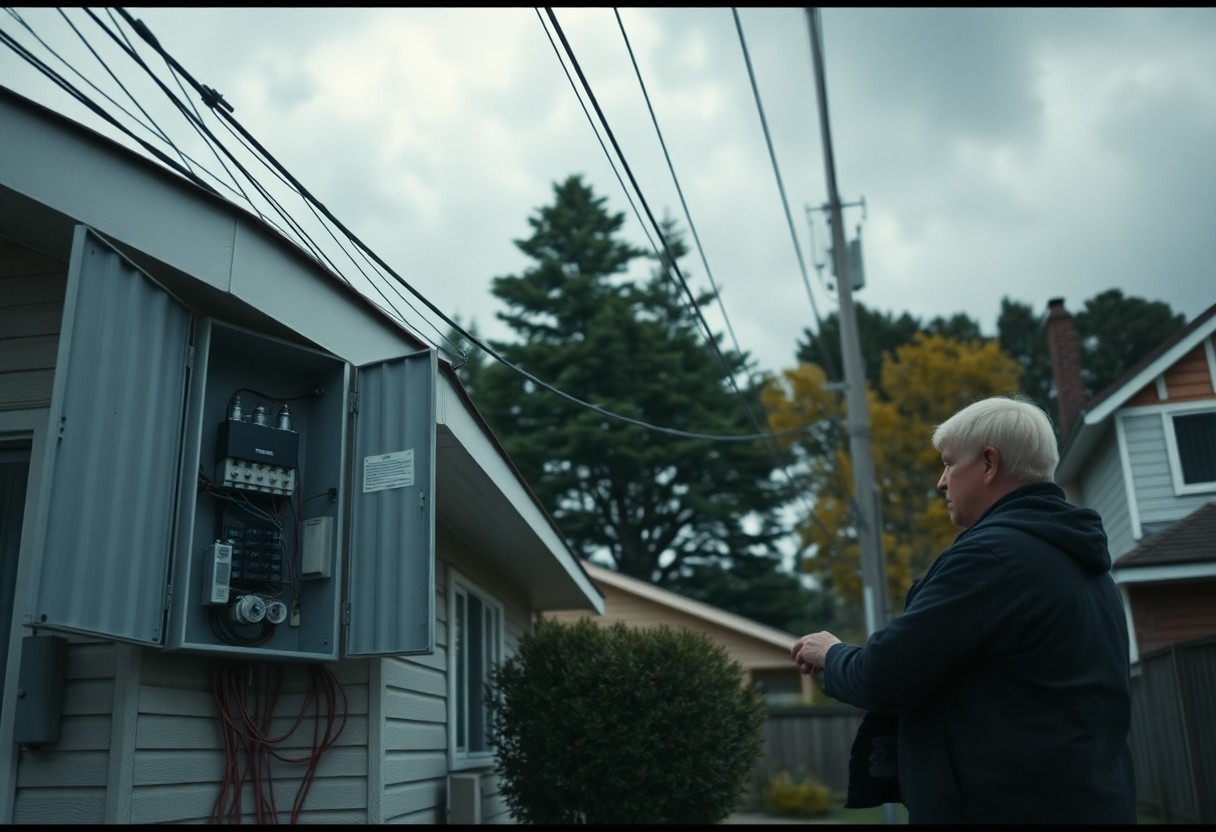
Power surges can undermine the stability of your electrical system by injecting sudden voltage spikes that damage appliances and wiring. Identifying how these surges occur and implementing protective measures can significantly reduce your risk of costly repairs or electronics failures. Local environmental factors and electrical infrastructure intricacies in Papakura play a distinct role in shaping surge frequency and intensity, making tailored solutions imperative for your home’s resilience.
Common Causes of Power Surges in Papakura
Lightning strikes frequently trigger power surges in Papakura, especially during storm seasons, sending massive electrical spikes through your home’s wiring. Electrical faults like faulty wiring or transformer issues from the local utility grid can cause irregular voltage levels. Additionally, high-powered household devices cycling on and off, such as air conditioners or refrigerators, generate smaller but repeated surges that wear down sensitive electronics over time.
Solutions to Protect Your Home from Damage
Installing whole-house surge protectors at your electrical panel can absorb or divert dangerous voltage spikes before they reach your devices. Supplement these with point-of-use surge protectors for appliances that are especially vulnerable, like computers, TVs, or home security systems. Since Papakura’s infrastructure can be subject to storm-induced surges, grounding your electrical system professionally improves overall surge resilience, reducing fire risks and equipment failures.
Diving deeper into protective strategies, you might consider surge protectors rated for at least 40,000 amps as a good starting point, ensuring enough capacity to handle common surges in your area. Regularly checking grounding connections and consulting with certified electricians familiar with Papakura’s grid conditions can prevent overlooked vulnerabilities. Besides hardware, unplugging electronics during severe weather remains an effective precaution to avoid sudden surge damage, balancing technological safeguards with simple practical habits.
Conclusion
Following this, you now understand the common power problems in Papakura and how they can affect your home. Being aware of potential electrical issues allows you to take proactive steps to protect your property and ensure safety. By staying informed and seeking professional help when needed, you can maintain reliable power and avoid unexpected disruptions. Your knowledge empowers you to address power concerns swiftly and confidently, safeguarding your household’s comfort and security.
FAQ
Q: What are the most common causes of power problems in Papakura homes?
A: Power issues in Papakura residences often stem from weather-related events such as storms and heavy winds, which can damage power lines and equipment. Additionally, overloaded circuits, outdated wiring, and faulty appliances can contribute to intermittent or complete power failures.
Q: How can I identify if a power problem is due to my home’s electrical system or an external issue?
A: If multiple homes in your neighborhood experience outages, it is likely an external problem with the local power grid. However, if only your property is affected, and the circuit breakers frequently trip or appliances malfunction, the issue may stem from your internal electrical system. Consulting a licensed electrician can help diagnose the source.
Q: What steps should I take immediately after experiencing a power outage in Papakura?
A: First, check if neighbors also have no power to determine if it is a wider outage. Next, inspect your circuit breakers to ensure they haven’t tripped. Avoid opening refrigerators and freezers to maintain cold temperatures. Report the outage to your electricity provider for updates and estimated restoration times.
Q: Are there preventive measures homeowners in Papakura can implement to reduce power problems?
A: Yes, maintaining electrical equipment and periodically inspecting wiring can help prevent issues. Installing surge protectors protects against voltage spikes. For storm-prone periods, trimming trees near power lines reduces the risk of damage. Upgrading old wiring systems to meet current standards enhances overall safety and reliability.
Q: When is it necessary to call a professional electrician for power problems in Papakura?
A: It is important to contact a licensed electrician if you notice frequent outages affecting only your home, see signs of electrical damage such as burning smells or discoloration near outlets, experience sparking when plugging in devices, or if circuit breakers repeatedly trip. Professional assessment ensures safe and effective resolution of electrical issues.