
As you consider rewiring your older house, you’ll likely focus on the upfront costs, but there are additional expenses you should be aware of. Your home’s age and condition can lead to unforeseen expenses, making it imperative to factor these into your budget. You may encounter hidden costs, such as asbestos removal or damaged plaster repair, which can significantly impact your overall spending. Understanding these potential expenses will help you plan and prepare for a successful rewiring project.
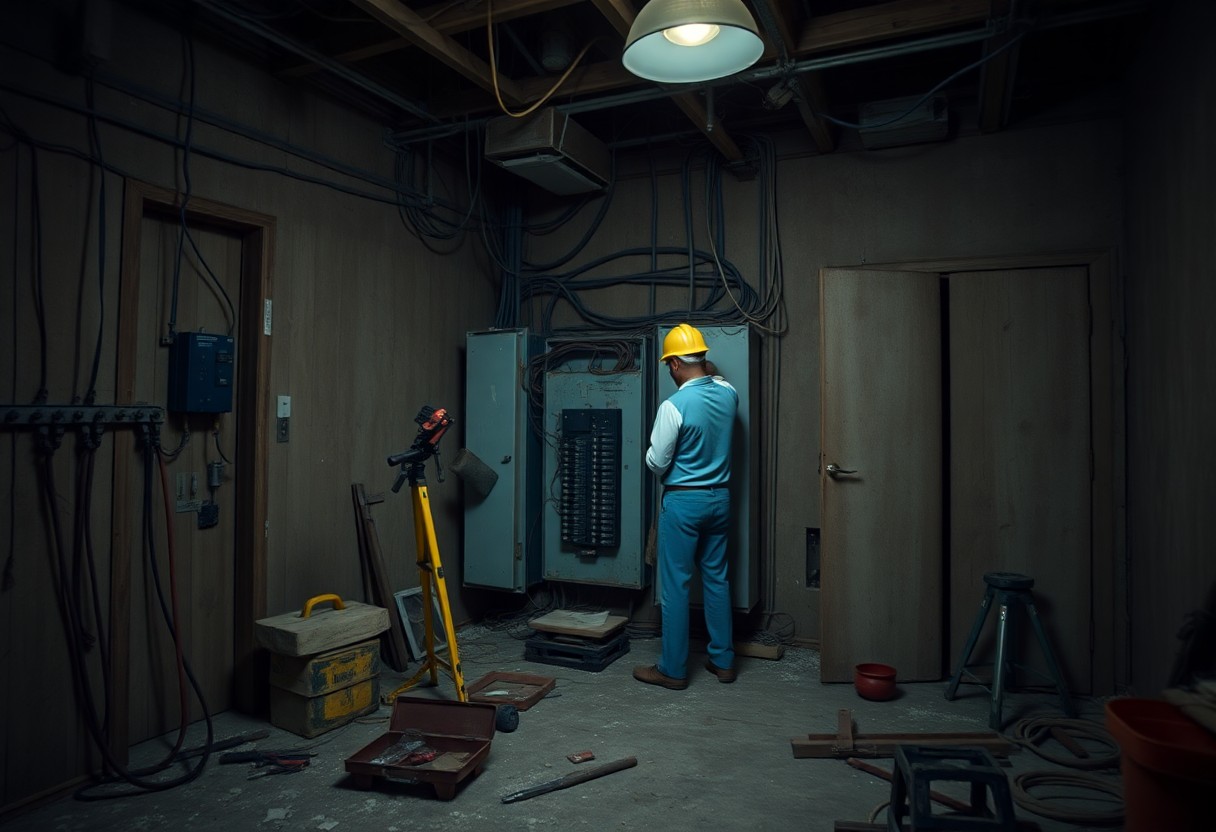
Identifying Potential Risks
While planning to rewire your older house, it’s necessary to consider the potential risks involved. You need to be aware of the possible hazards that may arise during the process to ensure your safety and the integrity of your home.
Aging Electrical Systems
Among the primary concerns when rewiring an older house are outdated electrical systems. You should inspect your home’s electrical infrastructure to identify potential issues, such as faulty wiring or outdated components, which can pose significant risks to your safety.
Hazardous Materials
One significant risk associated with rewiring older houses is the presence of hazardous materials. You may encounter materials like asbestos or lead, which can be harmful to your health if not handled properly.
For instance, when removing old wiring or insulation, you may be exposed to these toxic substances, which can have severe health consequences. You should take necessary precautions, such as wearing protective gear and hiring professionals who are trained to handle these materials safely, to minimize the risks associated with hazardous materials in your home.
Uncovering Hidden Expenses
One of the significant aspects of home rewiring is the hidden costs that you may not be aware of. As you plan to rewire your older house, it’s imperative to consider these expenses to avoid surprises. Your budget should account for unexpected expenditures that may arise during the process.
Permits and Inspections
After obtaining the necessary permits, you will need to factor in the costs of inspections, which can add up quickly. Your local authorities will require inspections to ensure the rewiring meets safety standards, and you will need to pay for these inspections, adding to your overall costs.
Emergency Repairs
Permitting issues can lead to emergency repairs, which can be costly. You may need to address electrical issues that arise during the rewiring process, and these repairs can be expensive, so it’s imperative to have a contingency plan in place.
And as you consider emergency repairs, you should also think about the potential for unexpected damage to your property. You may need to repair or replace drywall, flooring, or other components that are damaged during the rewiring process, adding to your overall expenses. Your goal is to complete the rewiring project safely and efficiently, and being prepared for emergency repairs will help you achieve that goal.
Rewiring Considerations
The process of rewiring an older house can be complex, and you need to consider several factors before starting the project. You should think about your budget, the extent of the work, and the potential disruption to your daily life.
Older Home Architecture
Modern Electrical Requirements
Similarly, modern electrical systems have different requirements than older ones, and you will need to ensure your rewiring project meets current standards. You should consider factors such as energy efficiency, safety features, and smart home technology integration, which can add to the overall cost.
Even with a well-planned rewiring project, you may encounter unexpected expenses, such as upgrading your electrical panel or installing new outlets to support your devices, and you should factor these potential costs into your budget to avoid surprises along the way.
Financial Implications
Not accounting for all costs, you may face unexpected expenses when rewiring your older home, consult discussions like rewiring older home costs and considerations to understand the process better.
Budgeting for the Unexpected
Around the time you start planning your home rewiring, you should also consider allocating a budget for unexpected expenses that may arise during the process, as your old wiring might be more complex than you anticipate.
Cost of Delaying Rewiring
An outdated electrical system can lead to increased energy consumption, putting a strain on your wallet and potentially causing safety hazards, making it crucial to prioritize your home’s rewiring.
The financial burden of delaying rewiring can be significant, as you may end up paying more for repairs and potential damages caused by outdated electrical systems, so it’s in your best interest to address the issue proactively to avoid further complications and expenses in the long run.
Safety Precautions
After considering the costs of home rewiring, you should also think about the safety precautions that need to be taken. This includes protecting yourself and your property from potential hazards.
Protecting Against Electrical Shock
By taking necessary measures, you can prevent electrical shock during the rewiring process. You should ensure that your electrician follows safe working practices and uses proper equipment.
Preventing Fires
For your safety, it’s necessary to prevent fires that can occur due to faulty wiring. You should ensure that your electrician uses high-quality materials and follows the correct installation procedures.
The risk of fire can be minimized by regularly inspecting your wiring and addressing any issues promptly. You should also consider installing smoke detectors and keeping a fire extinguisher nearby in case of an emergency, ensuring your safety and the safety of your property during the rewiring process.
Planning and Preparation
For older houses, planning and preparation are imperative before rewiring your home to ensure a smooth and safe process, and to avoid costly surprises, you will need to assess your electrical system and identify areas that need improvement.
Scheduling the Rewiring Process
Renewing your home’s electrical system requires careful scheduling to minimize downtime, you should work with your electrician to create a timeline that suits your needs and allows for efficient completion of the project.
Minimizing Disruption
Around the time of the rewiring, you will want to take steps to minimize disruption to your daily life, this includes planning alternative arrangements for power and internet access, and preparing your family for the potential noise and mess.
Hence, as you prepare for the rewiring process, you should think about how you can maintain your usual routine, considering backup power sources, and setting up a temporary workspace or living area if necessary, to ensure that you can continue with your daily activities with minimal disturbance, and your electrician can work efficiently to complete the project.
Conclusion
Hence, as you consider rewiring your older house, you should be aware of the hidden costs involved. You will need to factor in expenses such as asbestos removal, wall repairs, and potential upgrades to your electrical panel. By understanding these additional costs, you can better plan and budget for your home rewiring project, ensuring a safe and successful outcome for your home. You can then enjoy the benefits of a newly rewired home with your newly installed electrical system.