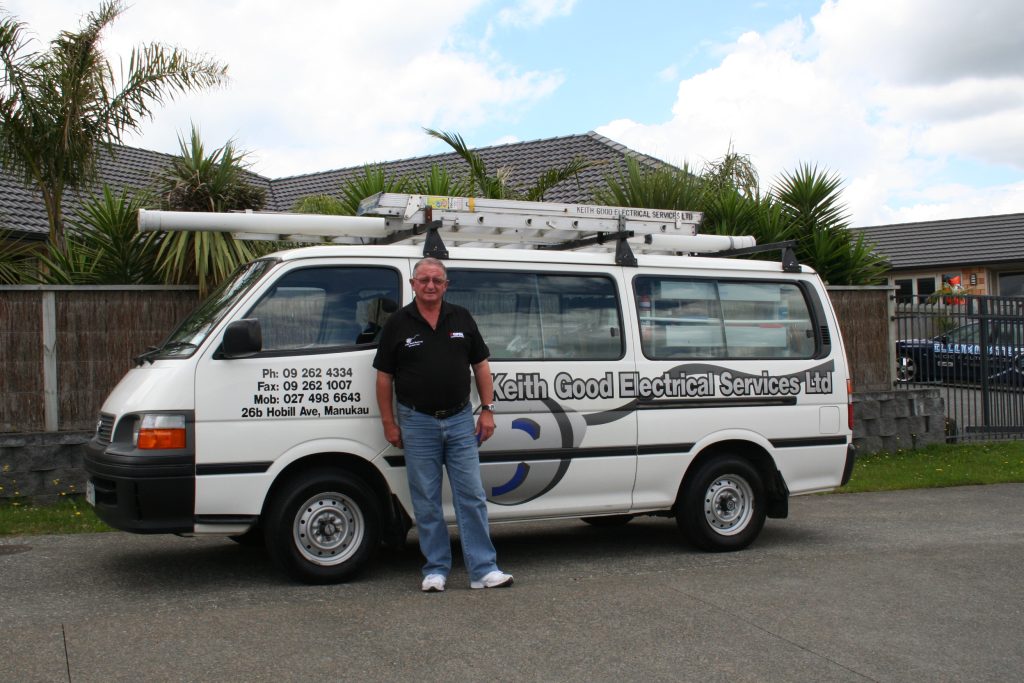
Many homeowners in Takanini consider handling their new build wiring themselves to save money, but this can lead to serious safety issues and costly mistakes. When you entrust your wiring to a professional, you ensure that your electrical system meets local codes and operates safely and efficiently. Your home’s electrical setup supports every aspect of your daily life, so it’s vital to get it right the first time. Don’t let a DIY attempt cause damage or hazards—hire an experienced electrician to protect your investment and your family’s well-being.
Key Takeaways:
- Hiring a professional electrician in Takanini ensures your new build is wired safely and up to code.
- DIY wiring can lead to serious risks including electrical hazards, faulty installations, and costly repairs.
- Experts have the knowledge and tools to handle complex wiring systems efficiently.
- Properly wired homes improve energy efficiency and reduce the chance of electrical failures.
- Investing in professional wiring services provides peace of mind and long-term safety for your property.
The Crucial Role of Certified Electricians in New Developments
In new construction projects, certified electricians bring unmatched expertise, ensuring wiring is installed according to New Zealand’s Electrical Regulations 2010. Licensed professionals use industry-standard tools and techniques that reduce the risk of faults, fire hazards, or costly rework later on. Your new build wiring must pass inspections seamlessly, and only certified electricians can guarantee compliance while optimizing energy efficiency and system longevity.
Safety Standards: Why Compliance Matters
Strict adherence to safety standards prevents electrical accidents, which are reported in thousands annually across NZ. A licensed electrician ensures your installation meets AS/NZS 3000 wiring rules — protecting your property and loved ones. Compliance avoids potential penalties and insurance disputes while providing peace of mind through built-in safeguards like circuit breakers and proper grounding.
Long-term Value: Investing in Professional Expertise
Choosing a professional electrician upfront often saves you thousands later by preventing avoidable breakdowns, inefficient energy use, and complicated repairs. Experts tailor your wiring setup for future-proofing, accommodating smart home tech and increased power demands.
More than just compliance, professional workmanship translates to enhanced durability and performance. A well-wired home experiences fewer electrical interruptions and maintains higher resale value. For example, homes with certified installations often attract buyers willing to pay a premium, knowing wiring issues won’t jeopardize their investment. Ultimately, investing in qualified electricians aligns with long-term savings and convenience, sparing you the headaches of troubleshooting DIY shortcuts down the line.
Key Strategies for Effective Electrical Planning
Ensuring your new build’s electrical system is designed for both current needs and future demands makes a world of difference. Focus on accurate load calculations to avoid overloading circuits, and design separate circuits for high-demand appliances. Strategic placement of outlets and switches enhances usability, especially in kitchens and living areas. Collaboration with electricians during the blueprint phase lets you incorporate efficient wiring layouts that minimize materials and labor costs. Balancing immediate functionality with scalability means you won’t outgrow your setup too quickly, saving you money and hassle down the road.
Integrating Smart Lighting Solutions
Incorporating smart lighting allows you to control brightness, colour, and scheduling through your smartphone or voice assistants. Installing compatible wiring and dimmer switches upfront can support popular systems like Philips Hue or Lutron Caséta. Integrating motion sensors in hallways and outdoor areas not only enhances convenience but also boosts energy efficiency. Planning your lighting circuits with zones in mind means you can customize each room’s ambiance without rewiring later. Early adoption of these technologies boosts your home’s comfort and future market value.
Preparing for Electric Vehicle Chargers
Allocating dedicated circuits for EV chargers ensures safe and reliable operation, especially as electric cars become mainstream. Running conduit from your main switchboard to the garage or designated parking spot during construction avoids costly retrofits. Planning for a 240V outlet conforming to NZ standards caters to most Level 2 chargers. Installing a subpanel can help manage the additional load separately, reducing stress on your home’s electrical system. Your electrician can also assess your supply capacity to confirm it can handle the extra demand without upgrades.
Fitting your new build with infrastructure for EV charging future-proofs your home in the face of rising electric vehicle adoption—New Zealand’s EV registrations nearly doubled between 2020 and 2023. Conduit installation upfront not only saves thousands if you decide to add chargers later but also simplifies the upgrade process. It supports faster, safer charging without interrupting your power supply. Taking this step early integrates seamlessly with your home automation plans and enhances your property’s appeal to eco-conscious buyers.
Future-proofing Your Home’s Electrical System
Designing your electrical system with adaptability in mind equips your home to handle emerging technologies without a complete overhaul. Oversizing the switchboard, adding extra circuits, and including space for smart home hubs gives you flexibility to add devices like solar panel inverters, home batteries, and advanced security systems. Using modular wiring systems that allow easy replacement or upgrades can extend the system’s lifespan significantly. A thoughtfully planned electrical backbone keeps your home resilient, efficient, and ready for innovations as they arrive.
Many new builds overlook the potential of combining renewable energy integration with smart grid technologies. Planning for a home energy management system that can interface with solar and battery storage aids in optimizing consumption and utility billing. Wiring for future internet-of-things (IoT) devices and centralized control systems during construction means you won’t be tearing up walls later. The investment might increase upfront costs slightly, but the benefits in energy savings, convenience, and resale value are substantial, keeping your home ahead in a rapidly evolving market.
Navigating the Compliance Labyrinth in South Auckland
Working through South Auckland’s compliance requirements means juggling a variety of rules and standards designed to keep your new build safe and efficient. Each phase, from initial wiring to final inspection, demands careful attention to specifications set by local authorities and national codes. Overlooking any detail—like RCD installation or meter positioning—can cause costly delays or require rewiring. Aligning your project with these mandates not only streamlines approval but secures your investment’s integrity in the long term.
Understanding Local Council Regulations
Your local council in Takanini enforces specific electrical standards under the Electricity (Safety) Regulations 2010 and building consent conditions. These rules cover everything from the type of wiring and insulation to mandatory safety devices such as Circuit Breakers and Arc Fault Detection Devices (AFDDs). Failure to adhere can lead to penalties and halted inspections. Accessing council-approved inspection schedules and engaging licensed electricians familiar with Auckland’s compliance landscape helps keep your project on track.
The Impact of Compliance on Market Value
Properly certified electrical work directly influences your property’s market value in South Auckland. Non-compliance can deter buyers, reduce appraisal reviews, and lower insurance eligibility. Estimates show that up to 15% of potential value can be lost if wiring issues or uncertified installations arise during property inspections. On the other hand, presenting full compliance documentation reassures buyers and realtors of safety and reliability, often accelerating sales and commanding premium prices within Takanini’s competitive housing market.
Beyond immediate buyer confidence, compliant wiring supports long-term property desirability by minimizing risk of electrical faults and insurance claims. Real estate agents report that homes with comprehensive compliance certificates typically spend 30% less time on the market. This showcases how upfront diligence in wiring and inspections translates into tangible financial advantages, safeguarding your new build not only legally but as a sound investment for resale or rental income.

The Cost of Going Cheap: DIY Risks vs. Professional Solutions
Opting for DIY electrical work might seem like a budget-friendly choice, but the realities often reveal hidden pitfalls. Faulty wiring, overlooked local code requirements, and improper installation can lead to hazardous situations, costly repairs, or even voided home insurance. In Takanini, professional electricians leverage their training and tools to deliver safe, compliant installations that protect your investment, peace of mind, and family. The upfront savings from doing it yourself frequently pale against the expenses and risks of fixing mistakes later on.
Common DIY Mistakes That Cost Homeowners
You might underestimate the complexity of electrical systems and make errors like incorrect wire gauge selection, inadequate grounding, or failing to secure proper permits. Such issues not only degrade your system’s reliability but pose fire hazards. Many homeowners inadvertently bypass safety devices or ignore local standards in Takanini, resulting in costly rework or dangerous malfunctions that professional electricians routinely avoid through rigorous adherence to regulations.
The Hidden Costs of Non-Compliance
Ignoring electrical compliance doesn’t just risk safety; it can unleash a cascade of financial troubles. You could face fines, mandates to redo the work, or difficulties selling your home. Insurance claims may be denied if an unapproved installation causes damage, leaving you liable for repair bills. Local councils in South Auckland have increased enforcement, applying hefty penalties that far exceed the expense of hiring a certified professional from the start.
More specifically, non-compliance with New Zealand electrical standards can result in significant delays during inspections, forcing you to halt construction or incur additional costs to bring installations up to code. For example, a homeowner who installed unapproved wiring had to remove and replace the entire system, doubling their original budget and extending their timeline by months. Insurance companies often require proof of certified work to validate policies, so any non-compliance may jeopardize your coverage, increasing long-term financial exposure. Professional electricians mitigate these risks by ensuring every aspect of your build meets current regulations.
Conclusion
So, if you need a new build wired correctly in Takanini, you should avoid attempting a DIY approach that could lead to costly mistakes or safety hazards. By relying on professional electricians, you ensure your wiring meets all standards and functions efficiently from the start. This not only protects your investment but also provides peace of mind knowing your home’s electrical system is safe and reliable. Trust the experts to get it right the first time, saving you time, money, and unnecessary stress.
FAQ
Q: Why should I choose a professional for wiring a new build in Takanini instead of doing it myself?
A: Hiring a professional electrician ensures that all wiring is installed according to New Zealand electrical standards, reducing the risk of faults, fire hazards, or non-compliance issues. Professionals have the expertise to handle complex wiring plans and ensure the safety and reliability of your electrical system.
Q: What are the risks associated with DIY electrical wiring in a new build?
A: DIY electrical wiring can lead to improper installations, increasing the chance of electrical shocks, short circuits, and fires. In addition, improper wiring can cause appliances to malfunction, lead to insurance complications, and fail to pass building inspections, potentially delaying your project.
Q: How does a professional electrician ensure the wiring in a new build meets legal requirements in Takanini?
A: Professional electricians are licensed and fully aware of building codes and electrical regulations in the Takanini area. They follow local council rules and use approved materials, ensuring your new build passes all necessary inspections and complies with legal standards.
Q: What should I expect when hiring an electrician for a new build wiring project in Takanini?
A: When hiring an electrician, expect a thorough site assessment, a detailed wiring plan, use of quality materials, timely installation, and comprehensive testing. The electrician will also provide certification and warranties for their work, giving you peace of mind.
Q: Can professional wiring in a new build save me money in the long run?
A: Yes, professionally installed wiring reduces the likelihood of expensive repairs, equipment damage, and safety issues down the line. It also helps maintain the value of your property by ensuring a safe and compliant electrical system, avoiding costly compliance failures or insurance problems.