You secure your Māngere home through expert electrical services that inspect wiring, test circuits, install and maintain residual current devices and smoke alarms, replace faulty components, and apply surge protection and energy-efficient upgrades. By following New Zealand code compliance, professional diagnostics and routine maintenance, electricians reduce fire and shock risks, ensure safe appliance connections, and give you clear, practical guidance to keep your household electrical systems reliable.
Key Takeaways:
- Licensed electricians ensure work meets New Zealand electrical standards and provide certificates of compliance.
- Regular inspections and testing of RCDs, circuit breakers, and earthing systems detect faults before they cause harm.
- Proper installation and upgrades-correct wiring, circuit separation, load balancing-prevent overloads and reduce fire risk.
- Installation and maintenance of smoke alarms, interconnection, and emergency lighting provide early warning and safer evacuation.
- Prompt fault-finding, quality repairs, surge protection, and planned maintenance keep homes safe and appliances protected.
Importance of Expert Electrical Services
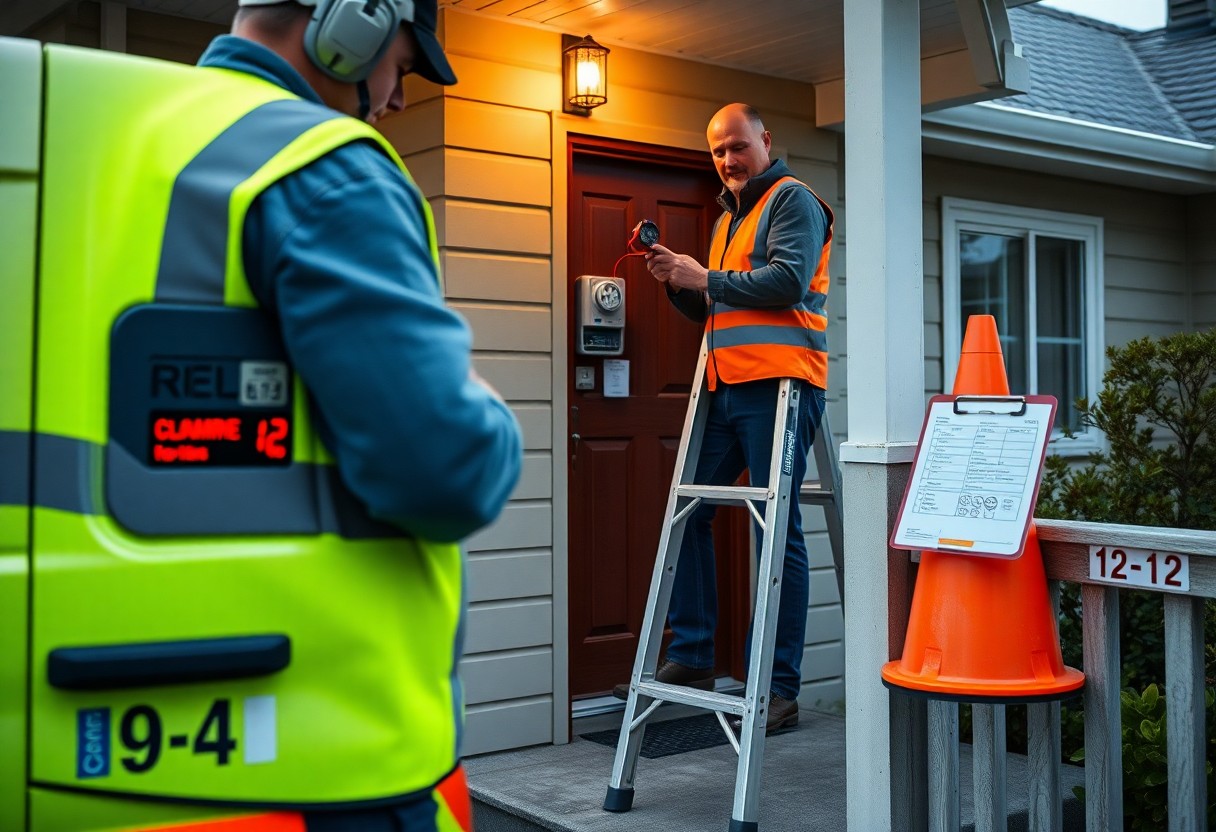
You rely on a licensed electrician to spot faults you won’t: they assess switchboard capacity, test RCDs and earthing, and advise upgrades for homes built before 1980. Regular professional inspections reduce overloads and hidden faults, and an upgrade to a modern consumer unit often raises main switch ratings from 60 A to 100 A, preventing nuisance trips and lowering fire risk.
Understanding Electrical Systems
You should know your home runs on a 230 V, 50 Hz supply, usually single-phase, and that circuit design balances lighting, sockets and fixed appliances. Professionals perform load calculations, check conductor sizing and protective device coordination, and verify earthing resistance and RCD operation so your oven, heat pump and EV charger all get correct supply without overloading a circuit.
Identifying Potential Hazards
You can spot warning signs: warm outlet plates, persistent tripping, flickering lights or a burning smell. Electricians use thermal imaging to find hot connections, insulation resistance tests to detect moisture-damaged cables, and insulation age assessments to determine if knob-and-tube or aluminum wiring needs replacement to prevent arcing and elevated fire risk.
In one Māngere case, you would have noticed frequent breaker trips and a faint ozone smell; the electrician’s inspection revealed corroded meter-box terminals and overloaded subcircuits feeding a new home office and an older hot water system. After replacing degraded conductors, balancing loads and installing a 30 mA RCD for socket circuits, the household stopped experiencing trips and the measured terminal temperature dropped from 85°C to safe levels, eliminating an immediate ignition source.
Services Offered by Expert Electricians
Expert electricians provide installations, switchboard upgrades, rewiring, RCD and surge protection, smoke alarm interconnection, and EV charger setups, plus smart-home integration and LED retrofits. You can expect thermal-imaging inspections, insulation resistance testing and documented safety reports tied to AS/NZS 3000 wiring rules and local council requirements. For example, a Māngere retrofit often replaces old knob‑and‑tube-style circuits and ups service capacity from 40A to 63A to handle modern loads safely.
Routine Maintenance and Inspections
Technicians carry out visual checks, test RCDs (30 mA trip) and measure insulation resistance, plus thermal imaging to find hotspots. You should book annual visual inspections and comprehensive testing every 3-5 years for older wiring; rental properties or high-load homes may need checks more often. A typical inspection will log circuit loading, label breakers, and recommend targeted rewiring or surge protection with costed quotes so you can prioritise safety upgrades.
Emergency Repair Services
Electricians provide 24/7 emergency response for tripping RCDs, exposed live conductors, burnt outlets or sudden outages, often arriving within two hours in Auckland metro areas. You’ll get immediate isolation of faults, temporary safe fixes to eliminate shock or fire risk, plus an on‑site estimate for permanent repair. Teams bring spares for common parts-RCDs, breakers, outlet modules-so many emergencies are resolved the same day to restore safe power quickly.
On arrival, electricians isolate affected circuits, perform earth-fault loop and polarity tests, and use thermal imaging to pinpoint overheating connections; you receive a written job sheet with test readings and photos. They coordinate with your distributor for supply-side faults, replace defective switchgear to AS/NZS 3000 standards, retest the installation, and issue a safety report or certificate; many firms also offer short warranties on emergency repairs so you have documented follow-up protection.
Safety Protocols Followed by Professionals
Compliance with Local Regulations
Your electrician ensures work follows AS/NZS 3000:2018 and is registered with the Electrical Workers Registration Board, and major rewires get Auckland Council consent and a Certificate of Compliance on completion. Technicians perform prescribed tests, label consumer units, and submit documentation so your insurer and future buyers accept the installation. Inspections and test reports create a verifiable history that prevents unsafe shortcuts and reduces the chance of failed sign-offs during renovations.
- Engage an EWRB-registered electrician
- Obtain building consent for structural or major wiring changes
- Require a Certificate of Compliance on project completion
- Insist on test reports and labeled circuits
- Schedule periodic inspections after significant changes
Compliance Checklist
| Document | What it means for you |
| Registration (EWRB) | Qualified tradesperson accountable to standards and disciplinary oversight |
| Certificate of Compliance | Proof the work met regulations and supports insurance claims |
| Council consent | Formal approval for major alterations, avoiding costly rework |
Use of Advanced Safety Equipment
Technicians deploy thermal imaging to reveal hot joints, clamp meters to assess current without shutdown, and RCDs rated at 30 mA that trip in milliseconds to prevent shock. They also fit AFCIs or earth-fault monitoring on vulnerable circuits to reduce arcing-related fires, and log numerical readings (ohms, mA) so you have measurable evidence of safety and load capacity for future planning.
- Thermal imaging cameras for hotspot detection
- Clamp meters and power quality analysers for load diagnostics
- Insulation resistance testers (megohmmeters) for cable integrity
- RCDs (30 mA trip) and AFCIs for protection
- Portable appliance testers for plugs and leads
Advanced Equipment & Benefits
| Equipment | Benefit to your home |
| Thermal imager | Finds loose connections or overloaded circuits before failure |
| Insulation tester | Quantifies cable degradation so you can prioritise replacements |
| AFCI / RCD | Reduces risk of arcing fires and electrocution on high-risk circuits |
During a service you receive printed test values-thermal images, insulation megohm readings, and measured leakage currents-so you can track trends and act before faults escalate; technicians use these numbers to justify targeted repairs, plan load upgrades (for example, adding a dedicated 20 A circuit for EV chargers), and provide clear evidence for insurers or prospective buyers.
Common Electrical Issues in Māngere Homes
Overloaded circuits, faulty wiring and ageing consumer units are frequent problems in Māngere properties, plus water-damaged outlets and tripped RCDs. You’ll often spot recurring MCB trips, flickering lights or warm switch plates. For context, a single 10 A circuit at 230 V supplies only about 2.3 kW, so mixing kettles, heaters and microwaves on the same run regularly exceeds safe capacity.
Overloaded Circuits
When you run multiple high-draw appliances together, the circuit can overload-typical examples: a 2.4 kW kettle plus a 1.5 kW microwave easily surpass a 10 A circuit’s ~2.3 kW limit. You’ll see frequent trips, dimming lights or scorching at outlets; an electrician will perform a load assessment, balance loads across circuits, install dedicated 16-20 A or oven circuits where required, and replace worn MCBs or upgrade the consumer unit to prevent repeated overloads.
Faulty Wiring and Outdated Systems
Homes built 40-60 years ago often have brittle insulation, corroded connections or older aluminium conductors and may lack modern RCD protection. You might detect discoloured outlets, burning smells or intermittent power. Technicians use insulation-resistance testing, earth-fault loop checks and thermal imaging to pinpoint failures before deciding between targeted repairs and a larger rewire.
For remediation you’ll see electricians replace unsafe splices, fit modern copper wiring, install RCD/GFCI protection and upgrade consumer units with labelled circuits. Targeted repairs can be completed in 2-6 hours for a few faulted outlets, while a staged or full rewire typically takes 2-5 days depending on home size; aluminium-to-copper conversions include anti-oxidant treatment and torque-checked terminations to prevent overheating.
Benefits of Hiring Expertise
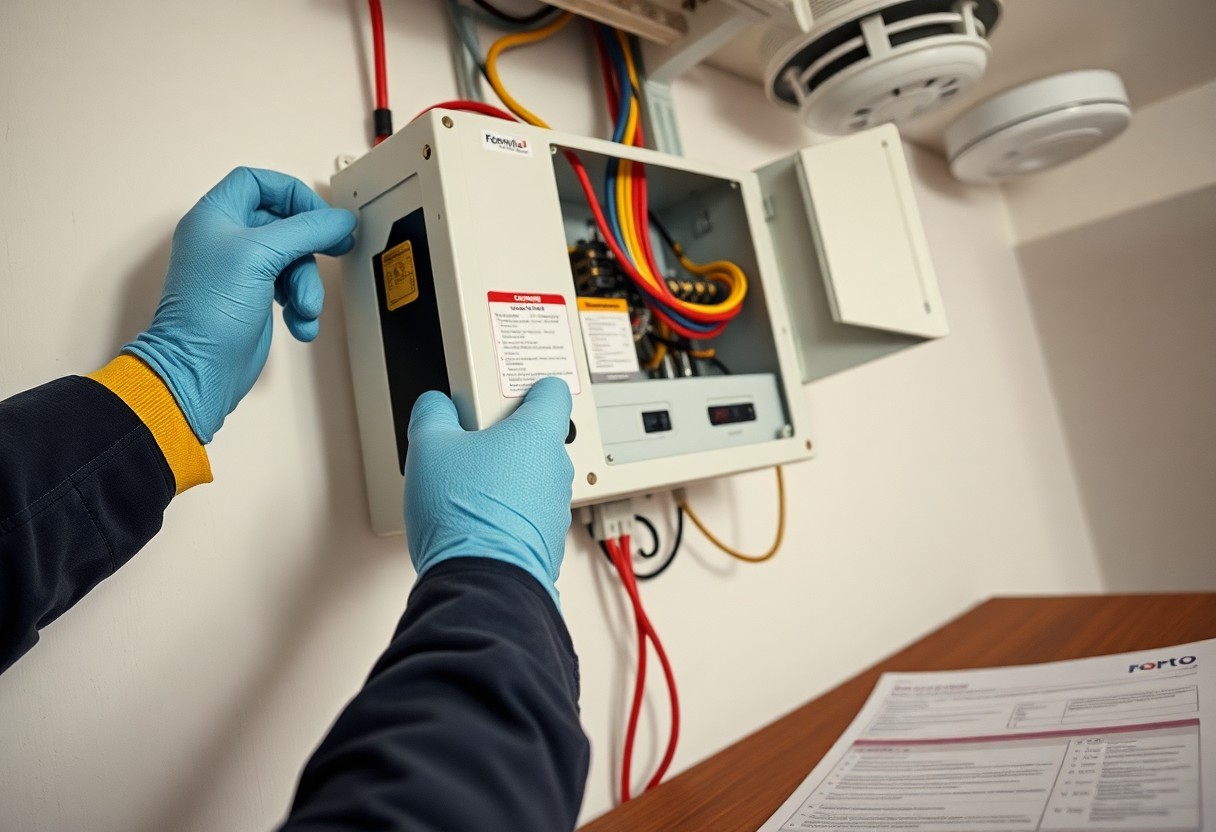
You gain certified compliance, faster diagnostics, and documented work that insurers and future buyers accept. Registered electricians issue a Certificate of Compliance (CoC), follow AS/NZS 3000 wiring rules and the Electrical Workers Registration Board (EWRB) standards, and apply specialist tools-thermal cameras, insulation testers, earth loop measurements-to spot hidden faults. That professional record reduces repeat call-outs and protects your home’s value while giving you peace of mind about safety and legal obligations.
Saving Time and Resources
You avoid hours of trial-and-error and costly mistakes when an expert uses targeted testing: thermal imaging to locate hot joints, clamp meters for load checks, insulation resistance tests, and RCD trip tests. What might take you days is often diagnosed in 1-2 hours by a pro, and repairs are planned to minimise downtime. That efficiency cuts unnecessary part replacements and reduces labour costs from multiple visits.
Ensuring Long-term Safety and Reliability
You get installations sized and protected to last: correct conductor sizing, load calculations, properly rated circuit breakers, RCDs and optional AFDDs or surge protection where needed. Professionals follow AS/NZS 3000 and provide documentation so future upgrades or inspections reference the original work, lowering failure risk and extending the service life of your wiring and appliances.
You also benefit from scheduled testing and maintenance plans tailored to your home’s age and usage-periodic inspections, RCD and earth tests, and thermal scans after major appliance changes. Detailed records and Certificates of Compliance simplify insurance claims and resale, while proactive measures (e.g., replacing degraded cabling or adding dedicated circuits for high-load devices) prevent progressive damage that would otherwise require costly rewiring later.
Choosing the Right Electrical Service
Narrow your shortlist by asking for three written quotes, expected turnaround times (24-48 hours for minor jobs is typical), and whether a Certificate of Compliance (COC) will be issued on completion. Check quoted warranties-12 months is common-and emergency callout fees. Prioritise teams that offer written scope, fixed-price options for known tasks, and clear timelines for switchboard work or new circuit installs.
Credentials and Experience
Ask for registration with the Electrical Workers Registration Board (EWRB) or membership of Master Electricians NZ, proof of NZQA unit-standard qualifications, and at least 3-5 years post-licence experience. Verify public liability insurance (commonly $2,000,000+), recent COC examples, and past projects similar to your home-such as replacing a 1960s Māngere villa switchboard where an electrician with 8 years’ experience installed RCD protection and passed council inspection.
Customer Reviews and Recommendations
Use online ratings as a filter: aim for an average of 4.5/5 from 15+ reviews, plus photos and detailed comments about punctuality and cleanup. Scan local Facebook groups and ask neighbours for referrals; a pattern of prompt emergency responses and repeat clients signals reliability. Check whether reviewers mention receipt of a COC and whether the tradesperson honoured warranties.
Dig deeper into reviews by looking for consistent specifics: mentions of clearance to switchboards, quality of RCD/testing, and compliance with council or landlord requirements. Contact listed referees and ask about timeframes, hidden costs, and whether defects were rectified quickly-one Māngere tenant reported a follow-up fix completed within 48 hours after a minor snag, which is the kind of responsiveness you should expect.
Summing up
Now, expert electrical services in Māngere protect your home by providing regular inspections, certified repairs, and code-compliant upgrades that reduce fire and shock risks. They install and test RCDs, proper earthing, and interconnected smoke alarms, replace unsafe wiring, and offer rapid fault diagnosis so you, your family, and appliances stay safe and compliant with local regulations.
FAQ
Q: What services do expert electrical technicians provide to prevent electrical hazards in Māngere homes?
A: Certified electricians carry out comprehensive services including visual and thermal inspections, fault finding, insulation and earth continuity testing, switchboard repairs or replacements, installation of residual current devices (RCDs) and surge protection, correct earthing and bonding, safe installation of fixed appliances, and compliant wiring for renovations or additions.
Q: How do routine inspections and testing identify hidden dangers in Māngere properties?
A: Regular inspections use diagnostic tools such as thermal imaging, insulation resistance testers and RCD trip testers to detect overheating connections, deteriorated insulation, moisture or rodent damage, loose terminals and faulty protective devices. Testing quantifies risk so electricians can prioritise repairs before a fault causes shock or fire.
Q: How do upgrades like new wiring, modern switchboards and RCDs reduce fire and shock risk?
A: Upgrading replaces aged or undersized cables that overheat, installs modern switchboards with correct circuit separation and protective devices, and fits RCDs that quickly disconnect supply on leakage paths. These measures limit fault currents, prevent sustained arcing and reduce the chance of electrocution or ignition.
Q: What role do smoke alarms, CO detectors and surge protection play, and how are they installed correctly?
A: Properly installed smoke alarms (interconnected and hardwired with battery backup) provide early warning of fire, CO detectors protect against invisible gas hazards near fuel-burning appliances, and surge protection guards sensitive electronics and prevents damage that can lead to faults. Experts position, interconnect and hardwire devices to meet New Zealand requirements and test operation post-installation.
Q: How do licensed electricians and compliance practices ensure ongoing electrical safety for Māngere homeowners?
A: Licensed electricians work to New Zealand electrical regulations and building-code requirements, obtain necessary permits, issue compliance documentation, and advise on maintenance schedules. They provide emergency response, homeowner education on safe appliance use, and planned maintenance or testing programs to keep installations safe over time.