With the industrial activity in East Tāmaki, electrical emergencies can happen unexpectedly and require your immediate attention. Knowing how to respond quickly and safely can prevent damage and keep you and those around you safe. This guide will help you identify common electrical issues and walk you through the actions you should take before professional help arrives. Having a plan in place ensures you can handle emergencies with confidence and protect your property effectively.
Key Takeaways:
- Act fast when you detect signs like burning smells, sudden power loss, or sparking outlets to prevent further damage.
- Turn off the main power supply if safe to do so before the electrician arrives to reduce risk of fire or injury.
- Keep clear of electrical equipment showing faults and avoid using water on electrical fires.
- Having access to a local 24/7 emergency electrician ensures quick and expert response tailored to East Tāmaki’s industrial needs.
- Save contact details of a trusted emergency electrician service for immediate assistance when electrical problems arise.
Unmasking the Most Common Electrical Emergencies
In East Tāmaki’s industrial environment, electrical faults often show up as burning smells, sudden power outages, or sparking sockets. Each of these signs indicates underlying risks like overloaded circuits or damaged wiring, which, if left unchecked, can escalate rapidly. Recognising these emergencies early helps you take the right steps to protect your property and people, especially in a region where heavy machinery and continuous operations increase the stakes.
Warning Signs: Burning Smells and Flickering Lights
The scent of burning plastic or rubber often hints at overheating wiring or faulty components. Flickering lights may signal voltage fluctuations caused by loose connections or overloaded circuits. These symptoms frequently precede electrical fires or equipment failure, especially in areas with heavy power demands like East Tāmaki’s industrial zones. Your quick action to investigate or isolate the source can prevent costly downtime or damage.
Power Outages: Causes and Immediate Responses
Sudden power loss might stem from tripped breakers, equipment faults, or external supply issues common during stormy weather or industrial accidents. When your site goes dark, check your main disconnect and any backup systems. Avoid resetting breakers repeatedly—doing so can worsen faults. Instead, secure sensitive machinery and wait for professional assessment to ensure safety and avoid damaging critical infrastructure.
Power outages in East Tāmaki often trace back to overloaded electrical panels struggling to keep up with simultaneous heavy machinery use. Nearby industrial incidents can cause voltage dips or surges affecting your supply. Backup generators may buy time but require regular maintenance to be reliable. Coordinating with your local emergency electrician allows faster diagnosis, helping you resume operations sooner and limiting costly production halts.
Dangerous Sparking Sockets: When to Act Fast
Sparking outlets aren’t just startling—they indicate loose wiring or deteriorated insulation that could ignite fires. Visible sparks or buzzing sounds suggest immediate risk, particularly near flammable materials common in industrial setups. Avoid using the affected socket, unplug devices, and switch off power to that circuit if possible. Contact your emergency electrician right away to prevent escalation.
Sparking sockets in East Tāmaki’s industrial buildings often result from wear and tear from heavy equipment or improper DIY fixes. Over time, vibration and dust accumulation degrade connections, increasing fire hazards. Past cases show that early detection and rapid intervention by local 24/7 response teams have averted serious structural damage. Letting sparking issues persist risks not only your facilities but can endanger workers, emphasizing the value of quick professional support.
First Steps: Your Immediate Action Plan
Start by cutting off power at the main switch to prevent further damage or shock during electrical faults. Quickly check the area for any signs of fire or overheating, and use a fire extinguisher rated for electrical fires if needed. Avoid touching any exposed wires or wet surfaces, and keep others away. If you smell burning or notice sparking sockets, act promptly but calmly to minimize risks until professional help arrives. These swift actions can contain the hazard and keep you and your team safe in East Tāmaki’s industrial environment.
Ensuring Safety Before Help Arrives
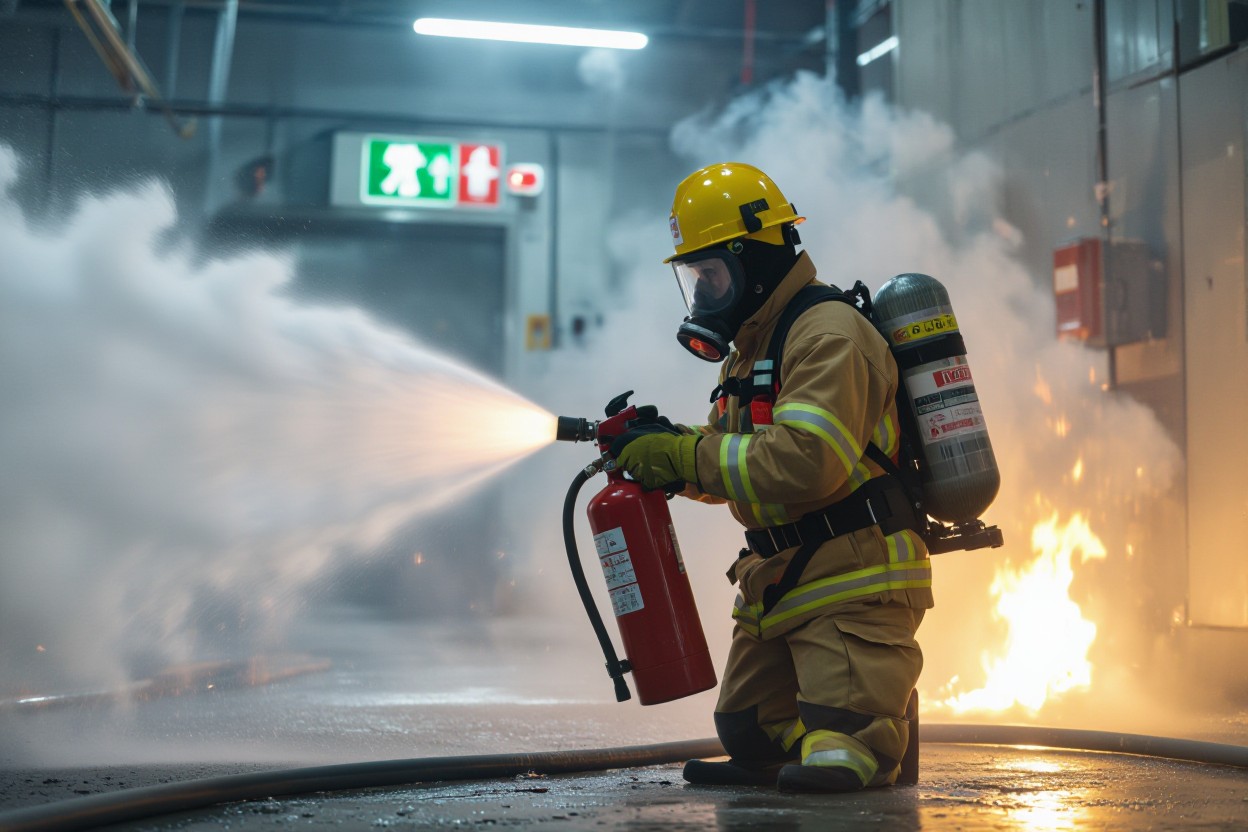
You should turn off power sources at the breaker panel or main switch to isolate the issue without exposing yourself to live electricity. If there’s smoke or fire, evacuate the area and call emergency services immediately. Avoid using water on electrical fires and instead use a Class C fire extinguisher if available. Clear the space of flammable materials and warn coworkers to stay clear of affected machinery or outlets. Keeping the environment controlled helps reduce secondary incidents before electricians get on site.
Communicating with Your Team and Locating the Problem
Inform everyone about the fault quickly using your usual onsite communication methods, whether radios, phones, or alarms, emphasizing the exact location of the issue. Identify which machines or circuits have lost power or are showing signs of malfunction, noting burning scents, sparks, or flickering lights. This information helps electricians diagnose and resolve the problem faster when they arrive. Coordinating with your team keeps everyone safe and prepared.
Clear communication sets the stage for an efficient emergency response in busy East Tāmaki workplaces. Providing detailed descriptions of what you observed—like specific outlets sparking or areas with power loss—can shorten diagnostic time for electricians. Sharing updates with supervisors or safety officers organizes a cohesive response, including isolating the electrical panel and confirming who’s responsible for shutdowns. Using safety protocols combined with precise info reduces downtime and prevents injuries during industrial electrical emergencies.
The Essentials of Emergency Protocols in Industrial Settings
Managing electrical emergencies in East Tāmaki’s industrial environment demands clear, practiced protocols that minimize downtime and risk. Your response plan should outline steps for early detection, immediate action such as isolating power sources, and communication with emergency electricians. Detailed checklists and signage tailored to your facility’s unique wiring and machinery help ensure everyone knows their role when sparks or outages occur. Integrating these measures supports swift, coordinated responses that protect both personnel and costly equipment.
Developing an Effective Emergency Response Strategy
A well-crafted strategy identifies potential electrical hazards specific to your facility’s equipment, like high-load transformers or automated lines. Your plan includes designated responders, contact details for 24/7 emergency electricians, and protocols for safely disconnecting power. Scenario-based drills—not just theoretical planning—allow you to test and refine these responses, preventing confusion when seconds count. Documenting outcomes from real incidents sharpens your strategy over time and aligns actions with regulatory safety standards.
Training Employees to Handle Electrical Faults
Equipping your team with targeted training ensures they recognize danger signs—such as burning odors or sparking outlets—and execute safe initial steps like evacuating areas and notifying supervisors. Hands-on sessions on using insulated tools, fire extinguishers rated for electrical fires, and emergency shutoff procedures can drastically reduce accident severity. Regular refresher courses keep knowledge current amid staff turnover and evolving electrical systems.
Drilling your workforce in specific fault scenarios builds confidence and quick judgment vital during emergencies. For example, a study of industrial sites in East Tāmaki showed workplaces with quarterly electrical safety drills reduced incident response times by 40%. Incorporating virtual reality simulations or live demonstrations further immerses employees, making training more effective. When workers understand both the technical risks and practical responses, the facility benefits from fewer injuries and faster recovery from electrical faults.
The Crucial Role of a 24/7 Local Response Team
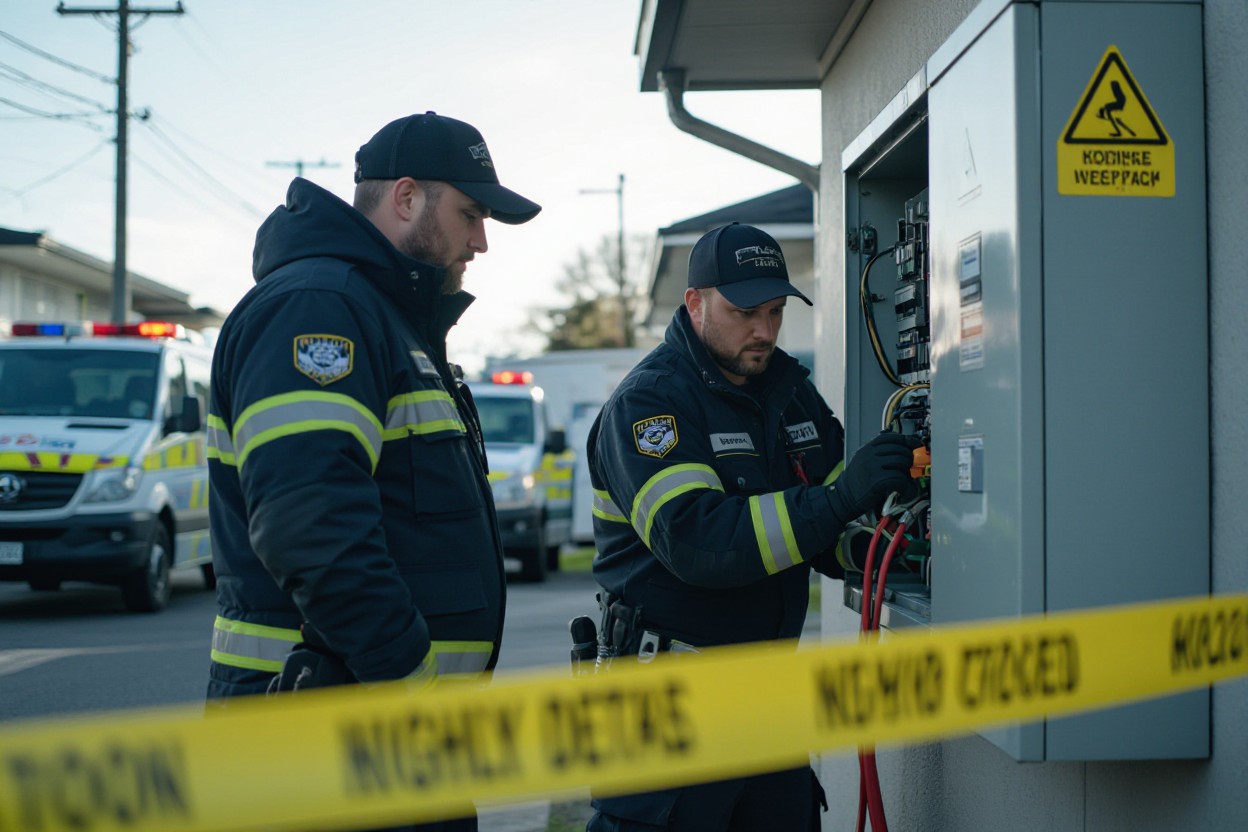
Having access to a 24/7 local electrical response team in East Tāmaki means your emergency receives immediate attention, minimizing downtime and preventing escalation. Industrial sites often operate round the clock, so electrical faults can strike at any hour, risking expensive equipment damage or safety hazards. Local teams understand the unique wiring setups common in this area and navigate these complexities with precision, ensuring fast, reliable solutions tailored to your specific environment.
Speed and Efficiency: Why Timing is Everything
Every minute counts when an electrical fault occurs in East Tāmaki’s industrial hubs. Quick response from a nearby electrician can limit disruption to your operations and reduce costly repairs. With local teams stationed nearby, you avoid delays caused by long travel times, allowing experts to rapidly diagnose and isolate problems, often restoring power before significant damage sets in.
Building Trust with Local Experts for Long-Term Security
Working regularly with a local emergency electrician builds a relationship based on familiarity with your site’s unique electrical setup and past issues. This ongoing partnership means they can spot potential risks early and recommend proactive maintenance, reducing the chance of surprise failures that threaten your productivity and safety.
East Tāmaki’s local electricians often handle multiple visits to your site, which helps them develop a deep understanding of your electrical systems’ quirks and vulnerabilities. This experience lets them tailor solutions that not only fix immediate emergencies but also strengthen your infrastructure against future faults. Over time, this trust gives you peace of mind knowing a dependable expert is just a call away, capable of protecting your business in the long run.
Final Words
Conclusively, when facing electrical emergencies in East Tāmaki, you need to act promptly and safely. If you notice signs like burning smells, power loss, or sparking sockets, make sure to turn off the affected circuits and avoid touching any damaged equipment. While waiting for professional help, keeping a safe distance protects you and your workplace. Having access to a reliable 24/7 local response team ensures your electrical issues are resolved quickly, minimizing risks and downtime. Save their contact information now so you’re prepared when emergencies arise.
FAQ
Q: What are the first signs of an electrical emergency in an industrial area like East Tāmaki?
A: Some common signs include unusual burning smells, sudden power loss, sparks or flickering lights from sockets, buzzing noises from electrical equipment, and visible smoke. Noticing these early can help prevent further damage or hazards.
Q: How should I respond if I detect a burning smell coming from electrical equipment?
A: Immediately turn off the power supply at the main switch if it is safe to do so. Avoid using water to extinguish electrical fires. Evacuate the area and contact a professional electrician or emergency response team to assess the situation.
Q: Is it safe to try and fix electrical faults before a professional arrives?
A: It is important to avoid attempting repairs unless you are qualified. Instead, focus on minimizing risks by turning off power sources, evacuating the area if necessary, and keeping clear of damaged equipment until expert help arrives.
Q: Why is having access to a 24/7 local emergency electrician important in East Tāmaki?
A: Industrial areas like East Tāmaki operate around the clock, and electrical faults can happen anytime. A local 24/7 response team ensures rapid arrival, reducing downtime, preventing potential hazards, and protecting valuable equipment and staff safety.
Q: What information should I provide when calling emergency electricians in East Tāmaki?
A: Provide clear details about the nature of the issue, such as the type of fault, symptoms observed, whether power is active, and if there are any visible hazards like smoke or sparks. Also, share your exact location within East Tāmaki to allow for a quick response.