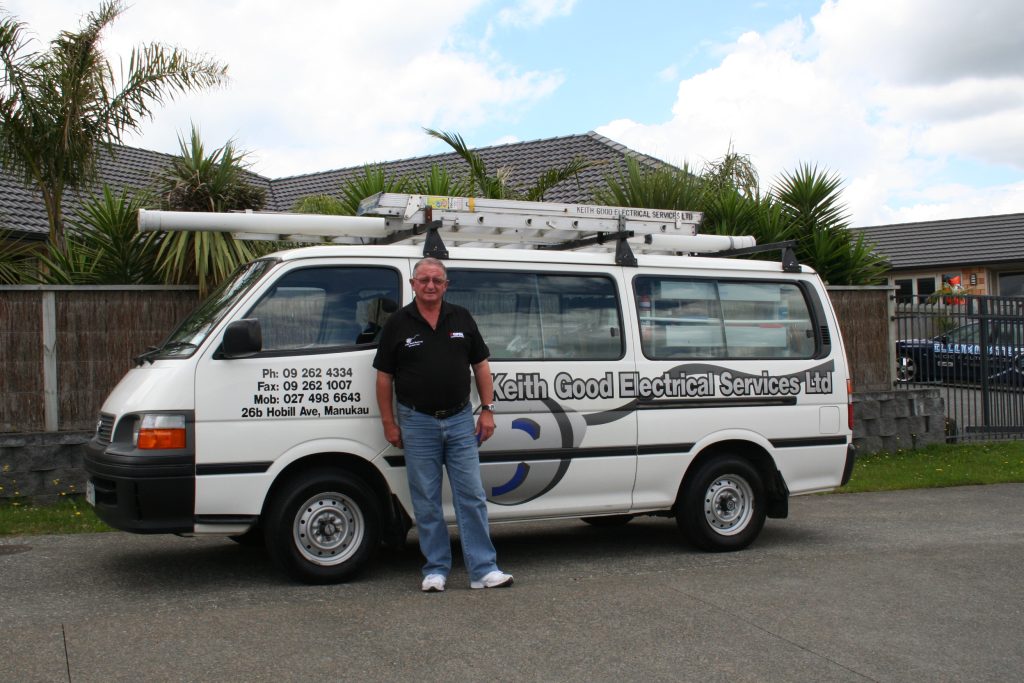
Many electrical services in Takanini encounter distinct challenges that can impact your project timelines and costs. Understanding these challenges, from navigating local regulations to adapting to the area’s diverse infrastructure demands, is necessary for ensuring smooth operations. You should be aware of the environmental factors, specific consumer needs, and evolving technologies that also play significant roles in service delivery. By familiarizing yourself with these unique obstacles, you can make informed decisions when hiring electrical professionals in Takanini.

Key Takeaways:
- Increasing demand for renewable energy solutions is reshaping the electrical services market in Takanini, requiring providers to adapt their offerings.
- Frequent regulatory changes can create complexities for electrical service providers, necessitating continuous education and compliance efforts.
- The growing population in Takanini leads to rising infrastructure needs, resulting in a higher volume of projects and increased competition among service providers.
- Technological advancements, such as smart home systems and automation, challenge traditional electrical service practices and require upskilling of technicians.
- Weather-related disruptions, particularly in areas prone to storms, can impact service delivery and necessitate contingency planning by electrical companies.

Electrical Infrastructure Reliability: Takanini’s Challenges
Takanini’s electrical infrastructure faces various reliability challenges, primarily owing to an aging network and environmental vulnerabilities. Ensuring consistent power supply while navigating these issues demands innovative solutions and strategic planning to guarantee safety and efficiency. Maintaining infrastructure includes not only upgrading existing equipment but also implementing smart technologies that enhance operational resilience in the face of changing circumstances.
Aging Systems and Safety Concerns
With many electrical systems in Takanini over 30 years old, safety risks are a growing concern for service providers. Outdated components can malfunction, leading to outages and even hazardous conditions. Regular assessments and upgrades are imperative to mitigate these risks, ensuring that your electrical systems are reliable and compliant with current safety standards.
Weather Vulnerability and Its Impact
Takanini’s geographical location exposes its electrical infrastructure to various weather-related challenges, such as heavy rainfall and strong winds. These conditions can lead to power outages, equipment damage, and safety hazards. Service providers must remain vigilant, employing strategies to bolster infrastructure resilience against nature’s unpredictability.
The impact of weather on electrical services goes beyond immediate outages; it often results in significant disruption to daily life and local businesses. For instance, heavy storms can lead to downed power lines and damaged transformers, affecting hundreds of households. In response, providers are increasingly investing in technology such as weather monitoring systems and smart grid solutions that provide real-time data to anticipate and manage weather-related challenges. This proactive approach not only enhances reliability but also helps you, as a resident or business owner, feel more secure knowing that your electrical infrastructure is better prepared to withstand these forces.
Regulatory Constraints: Navigating Local Legislation
Operating in Takanini means that electrical services face complex regulatory constraints. Ensuring compliance with various local laws and regulations becomes imperative for any electrical project. With safety standards continually evolving, staying updated with legislation not only protects your business but also guarantees the safety and efficiency of your electrical installations.
Compliance with Evolving Electrical Codes
Adhering to changing electrical codes is vital for your projects. These codes dictate installation practices, safety measures, and materials. Regular updates require you to stay informed and adaptable, which can significantly impact project timelines and costs.
Bureaucratic Delays in Project Approvals
Bureaucratic delays can be a significant hurdle in securing project approvals. The processes involved often require multiple layers of verification and assessment, leading to potential project stalling.
Further elaborating on bureaucratic delays in project approvals, you might find that the local council’s review process often stretches beyond expected timelines. These delays can arise from a backlog in applications or procedural inefficiencies, sometimes taking weeks or even months. Each setback not only disrupts your scheduling but can also escalate costs due to extended labor and material holding periods. Consequently, having a strategy to anticipate and address these delays is crucial in maintaining efficiency and budget adherence for your electrical projects.
Skills Gap: The Shortage of Qualified Electricians
The shortage of qualified electricians in Takanini poses a significant challenge for electrical services. With the demand for skilled labor growing rapidly due to infrastructure development and increased energy needs, finding certified professionals becomes a hurdle. This gap not only affects project timelines but also compromises service quality, as experienced electricians are becoming rare commodities in the market.
Education and Training Limitations
Education and training limitations play a significant role in the skills gap experienced in Takanini. Local vocational training programs struggle to keep pace with the evolving industry demands, resulting in fewer graduates with the necessary technical expertise. The available courses may not adequately cover the latest technologies and practices, leaving new electricians underprepared for real-world challenges.
Retention Issues in the Electrical Workforce
Retention issues in the electrical workforce exacerbate the skills gap, making it harder for companies to maintain a reliable team. High turnover rates are common in the industry, driven by factors like competitive offers from other sectors and the demanding nature of electrical work. When skilled electricians leave for better opportunities elsewhere, it creates a ripple effect that strains remaining staff and disrupts project continuity.
In Takanini, the retention issues manifest in various ways—such as burnout from excessive workloads, limited career advancement opportunities, and the lure of higher-paying jobs in more lucrative industries. Companies that rely heavily on their skilled workforce are often left scrambling to fill vacancies, leading to increased project delays and a decline in service quality. Investing in employee satisfaction, offering training programs, and creating a positive work environment can significantly improve retention rates and help you build a more stable workforce.
Rising Energy Demand: Balancing Supply and Demand
As the need for electricity continues to grow in Takanini, balancing supply and demand presents a significant challenge for electrical services. With a rapidly expanding population and the rise of technology, there is a pressing requirement to ensure that energy infrastructure keeps pace. This fluctuation in energy demands necessitates innovative solutions and efficient management to provide reliable electrical services amid the increasing pressures.
Increased Residential and Commercial Energy Needs
Your home and business likely require more energy than ever before, driven by the rise in electric appliances, smart devices, and increased connectivity. This growing reliance on electric power means that electrical services must adapt, upgrading infrastructure and enhancing capacity to meet your escalating energy demands while maintaining safety and reliability.
Integration of Renewable Energy Solutions
Embracing renewable energy sources presents both opportunities and challenges for electrical services in Takanini. The push for sustainability has made solar panels, wind turbines, and other green technologies increasingly popular, but their integration into existing electrical systems can be complex. You may find that navigating regulations and ensuring synergy between traditional and renewable energy resources is vital for maximizing efficiency.
The integration of renewable energy solutions isn’t just about installing new technology; it’s about seamlessly weaving these systems into the existing electrical grid. You may notice that electrical services take on the responsibility of educating you about options, such as solar energy systems or battery storage, to optimize energy usage. In Takanini’s context, understanding local incentives can also lead to significant cost savings while contributing positively to the environment. For reliable advice and assistance, you can explore options like Electrical Peace of Mind in Takanini – Electrician Manukau.
Community Engagement: Building Trust and Transparency
Developing a strong relationship with the Takanini community is vital for electrical service providers. By fostering trust and maintaining transparency, companies not only build rapport but also encourage collaborative problem-solving and smoother project execution. Engaging in community events and forums, tailored communication strategies can mitigate skepticism and enhance public support for imperative electrical infrastructure projects.
Communication Strategies with Local Stakeholders
Effective communication is key to keeping local stakeholders informed and engaged. Utilizing social media platforms, newsletters, and community meetings allows you to share updates transparently. Listening to community feedback demonstrates your commitment to addressing concerns, fostering a sense of partnership that can lead to better outcomes for all involved.
Handling Public Perception During Power Outages
Power outages can significantly impact public perception. Addressing concerns promptly and providing clear information during outages can alleviate anxiety and build trust. Regular updates on the outage restoration process, including anticipated timelines and reasons for the disruption, are imperative in keeping the community informed and assured.
During outages, it’s helpful to focus on proactive communication rather than reactive. Share real-time updates on social media and through local news outlets, outlining restoration timelines and any challenges faced. Consider distributing information packets to residents outlining how outages are managed and the steps taken to prevent future occurrences. This level of engagement not only keeps the public in the loop but also humanizes your efforts, portraying the electrical service as not just a utility, but a responsible member of the community invested in their well-being.
Final Words
Summing up, you will find that electrical services in Takanini encounter unique challenges such as diverse building codes, rapidly evolving technology, and environmental considerations. Adapting to local regulations and ensuring safety standards can be complex, especially with the area’s growth. Additionally, you must navigate competition while staying informed about the latest trends to meet customer expectations. By being aware of these challenges, you can better prepare your business to thrive in this dynamic environment.
FAQ
Q: What are the common regulatory challenges faced by electrical services in Takanini?
A: Electrical services in Takanini must navigate a complex landscape of regulations and compliance standards set by local authorities and national bodies. These regulations may include specific installation standards, safety codes, and licensing requirements. Keeping abreast of these regulations is imperative for providing safe and compliant electrical services, which can be time-consuming and requires ongoing training for technicians.
Q: How does Takanini’s geographical layout impact electrical services?
A: Takanini’s geographical layout, characterized by both urban and rural areas, presents unique challenges for electrical services. The range of properties, from dense residential neighborhoods to more spread-out commercial zones, requires electrical companies to adapt their services accordingly. This may involve differing access to infrastructure, varying costs in logistics, and tailored solutions for power distribution in different areas.
Q: Are there specific environmental factors in Takanini affecting electrical installations?
A: Yes, Takanini experiences various environmental factors such as seasonal weather changes and potential natural hazards that can impact electrical installations. Heavy rain, wind, and flooding can pose threats to above-ground electrical systems, necessitating robust waterproofing and protection strategies. Additionally, electrical services must consider local wildlife and vegetation, which can lead to damages or interruptions in service if not managed properly.
Q: How does the growth of Takanini’s population affect demand for electrical services?
A: As Takanini continues to grow, the demand for electrical services rises significantly. Increased residential and commercial developments drive the need for new installations, upgrades to existing infrastructure, and maintenance of electrical systems. This rapid growth can lead to resource constraints and increased workload for electrical service providers, which necessitates efficient project management and planning to meet demand responsively.
Q: What training and skills are imperative for electricians operating in Takanini?
A: Electricians in Takanini must possess a diverse skill set that includes knowledge of local regulations, safety standards, and the ability to work with various electrical systems common in unique property types. Ongoing training in the latest technologies and practices is vital, particularly as renewable energy solutions and smart home technologies become more prevalent. This ensures they are equipped to handle the specific challenges and advancements in electrical services in the region.