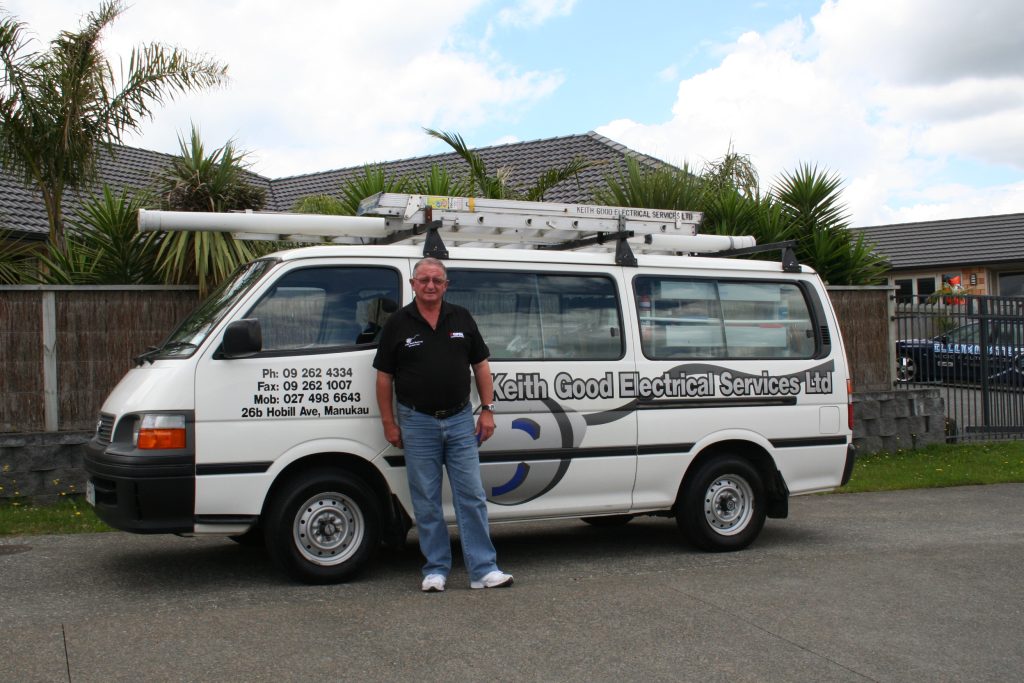
It’s not just about wiring; modern installations in Ōtāhuhu prioritize safety, energy efficiency, smart-home integration and compliance with New Zealand electrical standards, giving you dependable performance and lower running costs. Certified electricians use advanced surge protection, LED-ready circuits, renewable-ready systems and rigorous testing so your home or business meets local regulations and is future-proofed for evolving technology.
Key Takeaways:
- Compliance with AS/NZS 3000 and Auckland Council requirements ensures installations meet strict safety and inspection standards.
- Energy-efficiency features-LED lighting, smart controls and building energy management systems-are commonly integrated to lower consumption.
- Designs increasingly accommodate solar PV, battery storage and EV charging infrastructure for future-proofed electrification.
- Resilience measures such as surge protection, weatherproof fittings and seismic-aware mounting improve durability in local climate and seismic conditions.
- Licensed electricians use modern testing, documentation and coordination with local network operators to manage capacity and reliability for mixed residential and industrial sites.
Historical Overview of Electrical Installations in Ōtāhuhu
You can trace Ōtāhuhu’s shift from basic street lighting in the 1920s to a complex urban grid serving homes and heavy industry. Post‑war growth in the 1950s drove three‑phase supply and higher‑capacity feeders for factories, while late‑20th and early‑21st century work focused on undergrounding, substation reinforcement and smart‑meter rollouts that changed how your property connects and is billed.
Evolution of Electrical Standards
Standards moved from informal local practices to formalised AS/NZS rules; AS/NZS 3000 (Wiring Rules) governs modern installations and was revised in recent decades (notably in the 2000s and 2018). You’ll notice the difference in mandatory RCD protection, stricter earthing, conductor sizing and clearances, and certification processes that require licensed electricians to document compliance for domestic and commercial work.
Key Milestones in Local Electrical Infrastructure
Milestones include municipal electrification in the 1920s, industrial feeder expansions during the 1950s, standardisation to 230/400V networks, 11kV/33kV subtransmission upgrades in the 1980s-2000s, and smart‑grid automation and meter deployments through the 2010s that improved reliability and network visibility for you and local businesses.
For example, the 1950s industrial boom prompted new 33kV feeders into the Ōtāhuhu industrial area and additional 11kV distribution rings; more recently, automated switchgear and SCADA integration reduced fault‑isolation times from hours to minutes, so your business experiences fewer prolonged outages and faster restorations after faults.
Modern Technology Integration
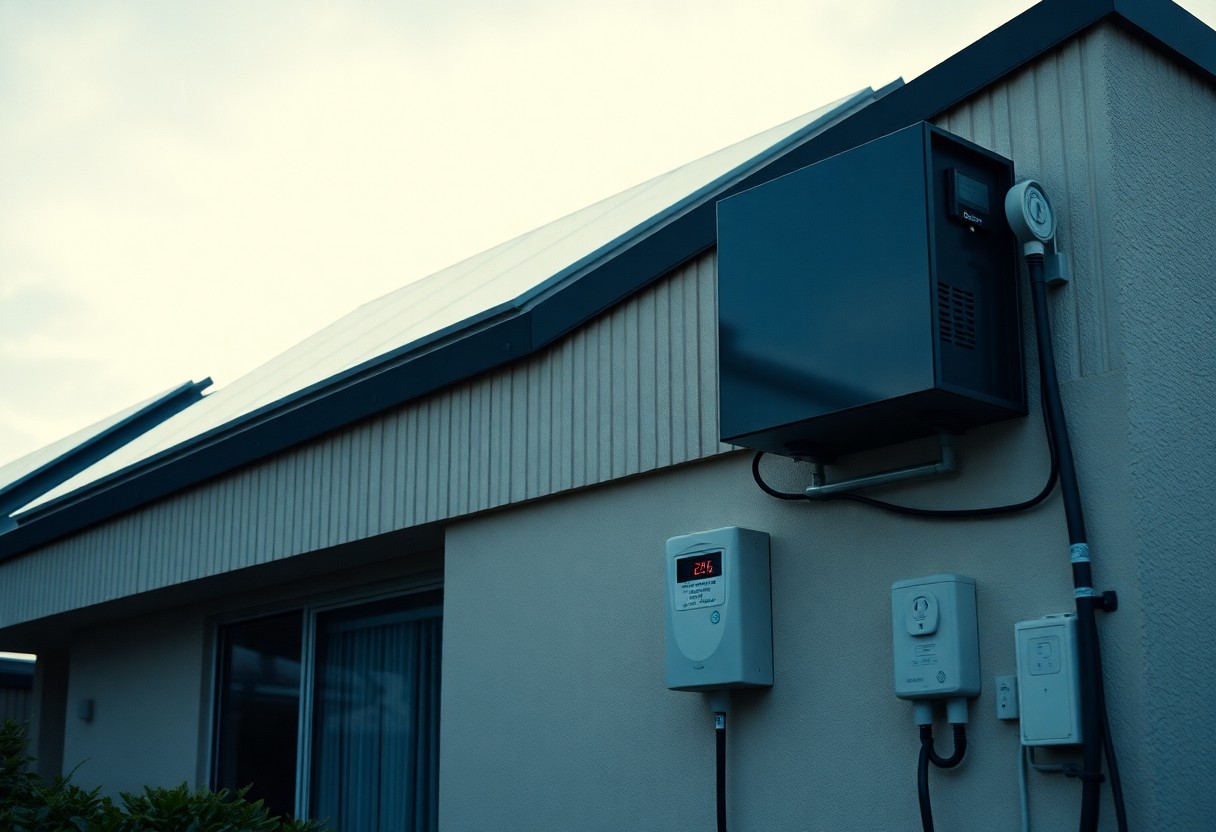
You’ll see electrical work in Ōtāhuhu now designed around interoperable systems: smart metering, EV chargers, solar-plus-storage and load-management all wired to a single control layer. Installers follow AS/NZS 3000 wiring practices while integrating Matter, Zigbee or wired IP devices so your lighting, HVAC and security communicate reliably. Typical residential projects pair a 3-6 kW PV array with a 5-10 kWh battery and a 7 kW AC EV charger, giving measurable savings and smoother grid interaction.
Smart Home Systems
You can expect whole-home automation that goes beyond app control: programmable scenes, occupancy-based lighting, and thermostat schedules that cut peak use. Installations often include 20-50 endpoints-sensors, smart switches and gateways-connected via wired Ethernet or low-latency wireless for reliability. Integrating voice assistants and local automation platforms (Home Assistant, commercial BMS) means you keep local control and faster response times during outages, not just cloud-dependent features.
Renewable Energy Solutions
You’ll find rooftop solar, battery storage and hybrid inverters are standard options, sized to match household load patterns-commonly 3-6 kW PV with 5-13 kWh batteries. Systems are designed for north-facing arrays at about 20-35° tilt in Auckland to maximise yield, and installers add export-limiting or smart export control where network rules require it. Your system will be planned to meet AS/NZS standards and secure any necessary network approvals.
For more detail, consider topology and economics: AC-coupled batteries simplify retrofits, while DC-coupled systems yield slightly higher round-trip efficiency for new installs. You should look at payback windows typically between 4-9 years depending on your consumption, solar sizing and export arrangements. Case studies in Auckland show a 4-6 kW PV system paired with a 10 kWh battery can reduce grid imports by over 50% in sunnier months; installers also model seasonal production and backup-time objectives when quoting.
Safety Standards and Regulations
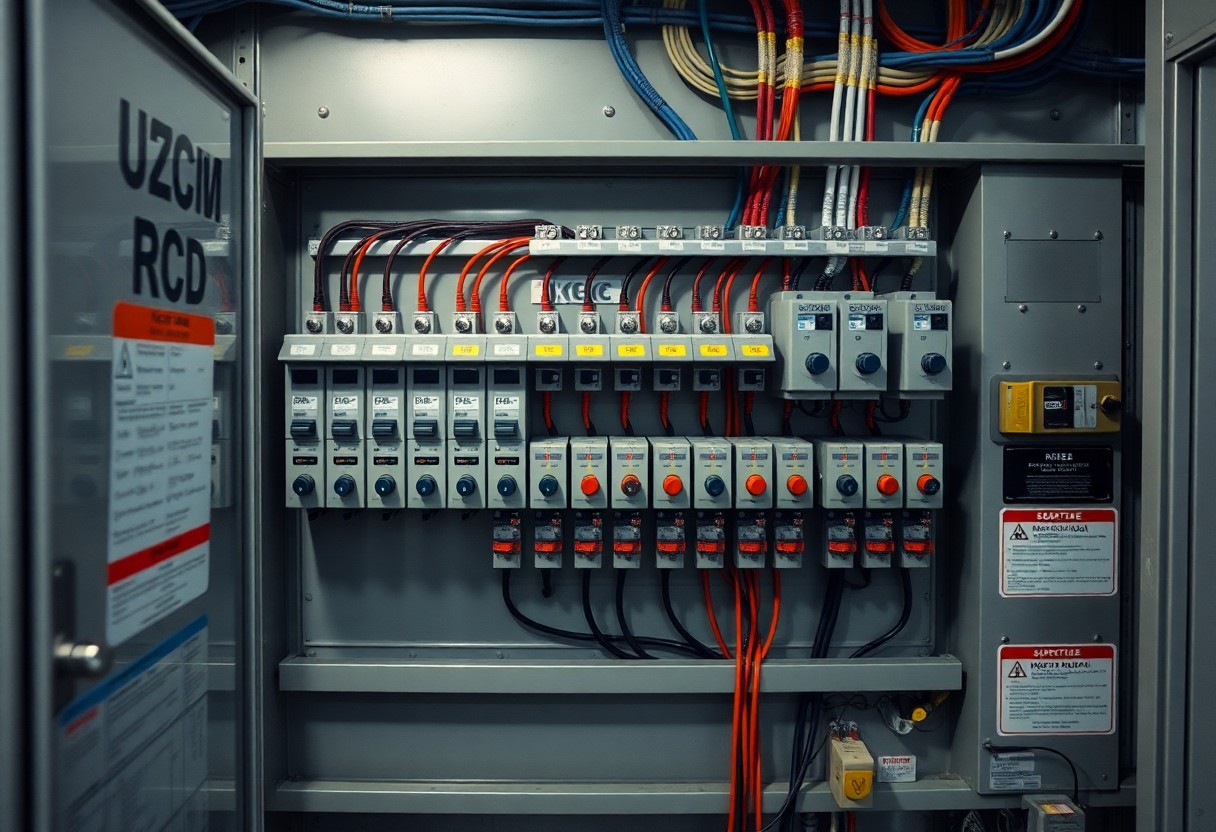
In Ōtāhuhu, electrical work follows AS/NZS 3000 (Wiring Rules) and national requirements for prescribed electrical work, so you’ll see RCD protection (typically 30 mA sensitivity) and earthing systems installed to standard. Registered electricians must supply Records of Work and Certificates of Compliance for prescribed jobs, and regulators such as MBIE and WorkSafe set enforcement and guidance, ensuring installations meet safety tests and documentation before being connected to the network.
Compliance with National Codes
AS/NZS 3000 defines wiring, earthing, protective device selection and installation practices you must meet during renovations or new builds. Councils assess building work through Code Compliance Certificates and lines companies require certificates for connection; non-compliance can lead to enforced remedial work and may affect insurance claims. Common compliance outcomes you’ll encounter include switchboard upgrades, RCD retrofits, and verified fault-loop and insulation test results recorded by the installer.
Importance of Professional Installations
Prescribed electrical work must be carried out by a registered electrician, so you receive professionally calculated load distribution, correctly sized protective devices, and documented testing. A registered installer issues Records of Work and Certificates of Compliance that the network operator and future buyers rely on, and their training and oversight reduce risks associated with poor connections, undersized cables or incorrect earthing.
On a practical level, hiring a professional means you get measured test results-polarity, earth continuity, insulation resistance and RCD performance-logged and retained. These tests verify discrimination, correct earth loop impedance and proper protective-device coordination, lowering the chance of arcing faults and nuisance trips, and providing the tangible paperwork you need for warranties, insurance and resale.
Environmental Sustainability Initiatives
You’ll see installers prioritise measurable measures like LED upgrades (lighting energy cuts of 50-70%), heat-pump heating (COP 3-5) and rooftop solar with typical paybacks of 4-7 years in Auckland’s climate; combining those with smart meters and building controls often lowers operational energy by 30-50% and meets EECA and BRANZ guidance for commercial and residential retrofits.
Energy Efficiency Practices
You can expect projects to install motion sensors, daylight dimming and networked lighting controls that reduce wasted lighting by up to 70%, while high-efficiency heat pumps replace gas heaters to cut heating energy by around 40-60%; contractors also use thermal imaging and blower-door tests to target insulation and airtightness improvements for verifiable savings.
Reducing Carbon Footprint
You’ll notice a push to electrify end uses and add on-site renewables: swapping gas boilers and petrol fleets for heat pumps and EV charging can lower operational CO2 emissions by roughly 40-60% depending on building profile and grid mix, and adding solar PV further displaces grid-supplied carbon.
You should plan systems holistically: common commercial designs pair 10-30 kW PV arrays with 20-100 kWh batteries to shave peaks and enable load-shifting, while smart energy management reduces peak demand by 10-30%; tracking performance with interval metering then converts kWh savings into CO2e reductions for your sustainability reporting.
Economic Impact on the Local Community
Job Creation in the Electrical Sector
In recent years, modern electrical projects in Ōtāhuhu have generated dozens of local jobs; you’ll see apprentices, licensed electricians, and site supervisors taken on for upgrades and maintenance. A typical medium-scale upgrade can employ 20-50 local workers over several months, and contractors often prioritise local hires for ongoing servicing. This workforce growth boosts your community’s skill base and channels higher wages into nearby businesses and trade services.
Investment in Infrastructure Development
Major upgrades in Ōtāhuhu now attract multi‑million dollar investment, funding LED streetlight retrofits, substation refurbishments and EV charger rollouts; you’ll commonly encounter projects in the NZD 1-10M range. Those investments reduce losses, improve reliability for local shops and households, and make central sites along Great South Road more attractive for further commercial development, directly benefiting your property values and business prospects.
Funding often mixes Auckland Council allocations, utility capital spending and central government resilience grants, so you’ll see public-private arrangements on larger works. A feeder replacement typically runs 6-12 months, engages 10-40 tradespeople, and can cut outage frequency by roughly 40-60% while lowering network losses 10-30%. Monitoring these staged investments shows how your neighbourhood gains sustained reliability and quicker economic returns.
Future Trends in Electrical Installations
Anticipated Innovations
With New Zealand’s Zero Carbon Act aiming for net‑zero by 2050, you’ll see building‑integrated PV, modular battery banks (residential 5-20 kWh, commercial 10-100 kWh) and DC microgrids become common in Ōtāhuhu projects; installers are already specifying energy storage paired with 3-6 kW rooftop arrays for homes and 20-200 kW systems for small businesses, plus bi‑directional EV chargers enabling vehicle‑to‑grid exports during peak pricing events.
Continued Growth in Smart Technologies
Smart metering, cloud energy‑management platforms and automated demand response are being adopted across new builds and retrofits, letting you shift loads, reduce consumption during peak times and often cut peak demand by 10-30%; local commercial upgrades tie lighting, HVAC and on‑site generation into single dashboards for real‑time optimisation and cost savings.
Interoperability matters: expect installers to use open protocols (Modbus, BACnet, MQTT) and APIs so your solar inverter, battery inverter and EV charger communicate with home energy management systems; this lets you schedule charging, export excess PV to the grid and run predictive maintenance alerts that lower downtime and extend equipment life.
To wrap up
As a reminder, modern electrical installations in Ōtāhuhu stand out because they combine strict local code compliance, high safety and longevity standards, energy-efficient and smart-home technologies, and installers who tailor solutions to your property’s needs; you benefit from reduced running costs, improved reliability, and future-ready systems that fit Ōtāhuhu’s environment and lifestyle.
FAQ
Q: What regulations and standards govern modern electrical installations in Ōtāhuhu?
A: Modern installations in Ōtāhuhu must comply with AS/NZS 3000 (the Wiring Rules), relevant New Zealand electrical safety regulations, and any local council building requirements. Work on prescribed electrical systems needs to be carried out or supervised by a registered/licensed electrician, and larger or altered installations usually require documentation such as certificates of compliance and inspections to satisfy building consent and connection requirements.
Q: How do modern installations in Ōtāhuhu improve safety compared with older wiring?
A: Contemporary installs use devices like residual current devices (RCDs), circuit breakers with better fault protection, proper earthing and bonding, and well-organised switchboards with clear labelling. Materials and enclosures are selected for local conditions (IP-rated and corrosion-resistant where needed), cable management reduces mechanical damage risk, and installation practices follow seismic and durability considerations to reduce fire, shock, and equipment-damage hazards.
Q: In what ways do modern electrical systems reduce energy use and operating costs?
A: Energy savings come from efficient LED lighting, zoned controls and dimming, smart thermostats and timers, and digitally controlled loads that avoid waste. Integration with solar PV, battery storage and load-management systems allows peak shaving and self-consumption, while accurate metering and energy-monitoring tools identify high-usage circuits so households or businesses can target upgrades that lower ongoing bills.
Q: Which smart and renewable technologies are commonly incorporated into new installations in Ōtāhuhu?
A: Installations often include rooftop solar PV, battery storage, EV charging outlets, home energy management systems, smart switches and sensors, and networked lighting controls. Installers may add surge protection for sensitive electronics and remote monitoring for performance and fault alerts. These technologies are typically designed to work together so occupants can prioritise resilience, savings or convenience.
Q: What should homeowners and businesses in Ōtāhuhu look for when hiring an electrician for a modern installation?
A: Choose a registered/licensed electrician with local experience, verifiable references and insurance. Ask for design details, documentation of compliance with AS/NZS 3000 and council requirements, warranties for workmanship and equipment, and a clear quote that separates labour, materials and any ongoing service or monitoring costs. Confirm the installer understands local site factors (coastal corrosion, moisture, seismic bracing) and can provide aftercare, testing and a handover showing how controls and safety devices work.