With routine electrical installations in Wiri, you reduce fire and shock risks, maintain system efficiency, and extend the lifespan of your equipment; scheduling also ensures compliance with New Zealand safety standards and local council requirements, helps detect deterioration or overloads early, and supports energy savings through modern upgrades, giving you peace of mind and predictable maintenance costs.
Key Takeaways:
- Enhances safety by identifying faults early and reducing fire or electrocution risks.
- Ensures compliance with New Zealand electrical standards and local council requirements.
- Improves energy efficiency through modern fittings and reduces ongoing power costs.
- Prevents costly breakdowns and extends the lifespan of wiring and equipment.
- Boosts property value and provides quick access to licensed local electricians for reliable service.
Importance of Regular Electrical Installations
Regular installations and scheduled upgrades keep your system performing safely and efficiently: plan inspections every 1-3 years (annually for high-use or rental properties, every 2-3 years for older homes built before 1980) to detect degraded insulation, overloaded circuits, loose connections and failing protective devices before they cause outages or fires, and to optimise appliance longevity and energy use.
Safety Considerations
You reduce shock and fire risk by ensuring correct earthing, appropriately rated cables and functioning protective devices; for example, 30 mA RCDs on socket circuits and tested circuit breakers that trip within specification prevent fatal leakage currents and limit fault escalation, while replacing frayed wiring or undersized conductors eliminates common hazards in older Wiri properties.
Compliance with Regulations
You must meet national wiring standards such as AS/NZS 3000 and the Electricity (Safety) Regulations, and use a licensed electrician who issues the required compliance certificates after work; non-compliant installations can lead to enforcement action, voided insurance claims and problems during property sales or council checks in the Auckland region.
When you engage an electrician, insist on written test results-insulation resistance, earth continuity and RCD trip times-and a Certificate of Compliance (CoC) or equivalent from the tradesperson; keeping those records and ensuring any fixed-wiring changes have the correct council consents protects you legally and makes future inspections, insurance assessments and property transactions far smoother.

Benefits of Scheduled Maintenance
Cost Efficiency
With scheduled maintenance you reduce emergency call-outs and avoid premium after-hours repair rates; routine checks typically cut urgent failures by up to 30-40% and can lower energy use 5-10% by fixing loose connections and poor power factor. For example, quarterly inspections that catch overheating terminals or degraded insulation stop cascade faults, saving you on expensive replacement parts, contractor emergency fees, and lost production time.
Prolonged Lifespan of Systems
Regular servicing extends equipment life by addressing wear before it triggers failure-preventative programmes commonly add 20-30% more service life to switchgear, breakers and motors. When you schedule annual or biannual inspections, components like contactors and starters often reach their full rated life instead of being retired early due to neglect.
Practical tasks that deliver those gains include thermal imaging to find hot spots, insulation-resistance testing on cables, torque-checking and cleaning of terminals, and timely replacement of worn contacts or capacitors. These targeted actions reduce electrical stress and overheating, meaning you defer major capital replacements and lower total lifecycle costs.
Common Electrical Issues in Wiri
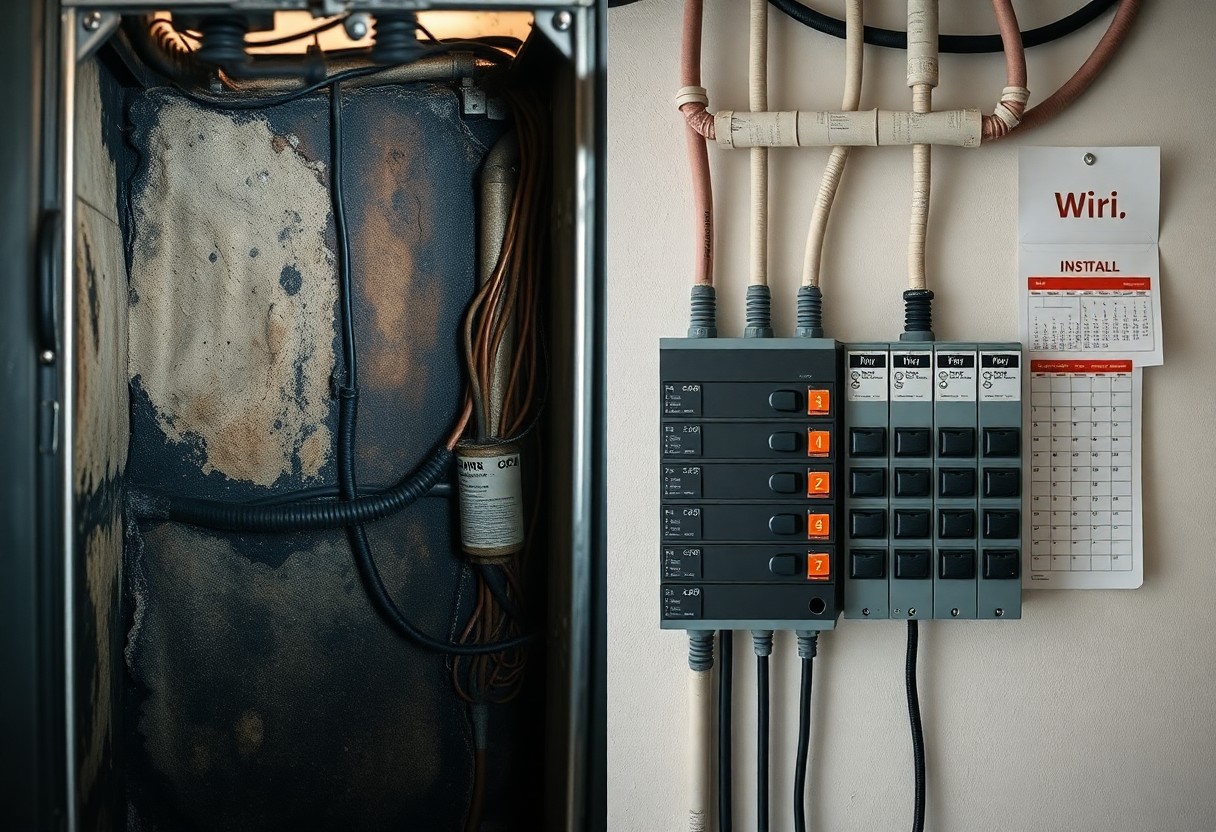
In Wiri you’ll most often encounter outdated wiring, overloaded circuits, failing RCDs and DIY modifications that don’t meet current standards. Older commercial conversions and post-war homes frequently show brittle insulation, unprotected splices and inadequate earthing. You may see water-damaged outlets in garages or workshops and corroded connections in humid spots. These specific faults increase nuisance trips, equipment damage and fire risk, so targeted inspections and timely upgrades are common recommendations from local electricians.
Outdated Wiring
If your property was built before 1980 you might have cloth-insulated or early PVC wiring whose insulation degrades after decades. You’ll notice brittle sheathing, exposed joints or knob-and-tube style fittings that aren’t up to modern load demands. Such systems often lack proper earthing and RCD protection, so you should schedule a professional inspection; an electrician can test insulation resistance, identify uncompliant splices and advise on rewiring or selective replacement to meet current safety codes.
Overloaded Circuits
Overloading happens when multiple high-draw appliances share a single circuit: a 3 kW oven, a 2 kW kettle and a 1.5 kW microwave on one circuit can easily exceed capacity. You’ll see frequent breaker trips, flickering lights or warm outlets when this occurs. Repeated overloads accelerate connector heating and can damage appliance electronics, so you should redistribute loads or install dedicated circuits for cookers, heaters and major appliances.
For more detail, check your home’s load profile: list appliances and their wattages and compare the sum against circuit ratings (for 230 V supply, 2,300 W ≈ 10 A). You can measure with a clamp meter or ask an electrician to perform a load calculation; they may recommend adding a 32 A oven circuit, separate ring or radial circuits, upgrading consumer units, or fitting additional RCDs and surge protection to prevent nuisance trips and reduce fire risk.
Choosing a Qualified Electrician
When choosing a qualified electrician you should verify verifiable credentials, public liability insurance and a proven track record on jobs like switchboard upgrades or EV charger installs. Ask for written quotes, recent references and examples of similar work; firms with 3-5 years’ local experience and portfolios showing at least 20 completed residential jobs typically handle Wiri properties’ mixed industrial-residential demands more reliably.
Licensing and Certification
Check that the electrician holds a current practising licence and can produce a registration number you can verify with the issuing body, plus up-to-date safety certificates and test results for installed equipment. Insist they issue written compliance or test certificates for new work, and confirm their public liability cover limits (often NZ$1-2 million) so your property and any future insurance claims are protected.
Experience and Expertise
Prioritise electricians who have demonstrable experience with the specific systems you need-domestic re-wires, commercial fit-outs, industrial machinery power or EV chargers-and who can show completed project photos, client contacts and job sheets. Contractors with 5+ years’ hands-on work and a catalogue of 50+ relevant installations will better anticipate site challenges common in Wiri, such as mixed-use wiring and heavy machinery earthing.
Dig deeper into their specialty experience by asking for case details: how they handled a failed earthing rod, staged a phased power upgrade to avoid downtime, or coordinated with council inspectors. Good candidates can explain fault-finding methods (thermal imaging, insulation resistance testing), provide timelines and cost breakdowns, and supply contactable referees from at least three recent jobs similar to yours.
Frequency of Electrical Inspections
Most homes in Wiri benefit from an inspection every 3-5 years, while older houses built before 1990 or those with original wiring often need checks every 1-3 years. If you run heavy electrical loads, operate a business at the property, or live in rental accommodation, aim for annual or biennial inspections. After storms, flooding, or renovations, schedule an immediate check to catch water damage, loose connections, or code non-compliance.
Recommended Timeline
For typical residential properties plan inspections every 3-5 years; rental units should be inspected every 1-2 years or between tenancies. Commercial sites and high-load installations warrant annual checks. Complete an inspection within 3 months after major electrical work and arrange one before settlement when buying a property. Use this timeline to align with warranties, insurance requirements, and local compliance checks.
Signs You Need an Inspection Sooner
If you experience frequent breaker trips, flickering or dimming lights, burning smells, hot or discolored outlets, or shocks from switches, arrange an inspection within 24-72 hours. Other urgent signals include buzzing circuits, visible sparking, or smoke. Acting quickly reduces fire risk and prevents longer outages or costly equipment damage.
For example, if you smell burning or see smoke, turn off affected circuits and call emergency services then an electrician immediately; do not use the area. In less acute cases-like intermittent flicker or repeated tripping-document when it happens, note appliances in use, and book an inspection within a few days. Technicians can run load tests, thermal imaging, and insulation resistance checks to pinpoint overheated connections, overloaded circuits, or degraded wiring so you can fix issues before they escalate.
To wrap up
To wrap up, scheduling regular electrical installations in Wiri protects your property and family by ensuring systems meet local regulations, improves energy efficiency, prevents costly failures, and preserves appliance lifespan; by engaging licensed electricians you reduce fire and shock risk, maintain resale value, and gain predictable budgeting and peace of mind for your home or business.
FAQ
Q: Why should residents and businesses in Wiri arrange regular electrical installations and maintenance?
A: Regular installations and maintenance identify worn wiring, loose connections, and degraded components before they cause shocks, fires, or equipment damage. Scheduled work keeps systems operating within safe load limits, adapts installations to changing usage patterns in Wiri’s mixed residential and industrial zones, and reduces the likelihood of unexpected failures that disrupt daily life or business operations.
Q: How do regular electrical installations reduce the risk of outages and equipment failure?
A: Routine checks and upgrades address hotspots, overloaded circuits, and aging distribution boards that commonly lead to trips and failures. Technicians can test protective devices, install surge protection, balance loads, and replace failing parts, all of which prevent progressive damage to appliances and cut the frequency and duration of outages for homes and businesses.
Q: Can regular electrical installations improve energy efficiency and lower bills in Wiri properties?
A: Yes. Upgrading to LED lighting, installing energy-efficient controls, correctly sizing circuits, and replacing inefficient equipment reduces wasted power. An electrician can perform an energy audit and recommend targeted measures-such as smart thermostats or timers-that lower consumption and deliver ongoing savings on electricity bills.
Q: What impact do regular electrical installations have on insurance, compliance, and property value?
A: Certified electrical work and up-to-date safety certificates help satisfy insurer requirements and reduce claim risk. Compliance with current standards makes properties safer and more attractive to buyers or tenants, often translating to higher resale value and smoother transactions for both residential and commercial real estate in Wiri.
Q: How often should electrical installations be scheduled and who should perform them in Wiri?
A: Frequency depends on use and environment: high-use commercial or industrial sites benefit from annual reviews; typical homes should have inspections every few years or after major renovations, storm damage, or appliance changes. Always engage a licensed or registered electrician-preferably a member of a recognized trade body such as Master Electricians-to ensure work meets local regulations and safety standards.