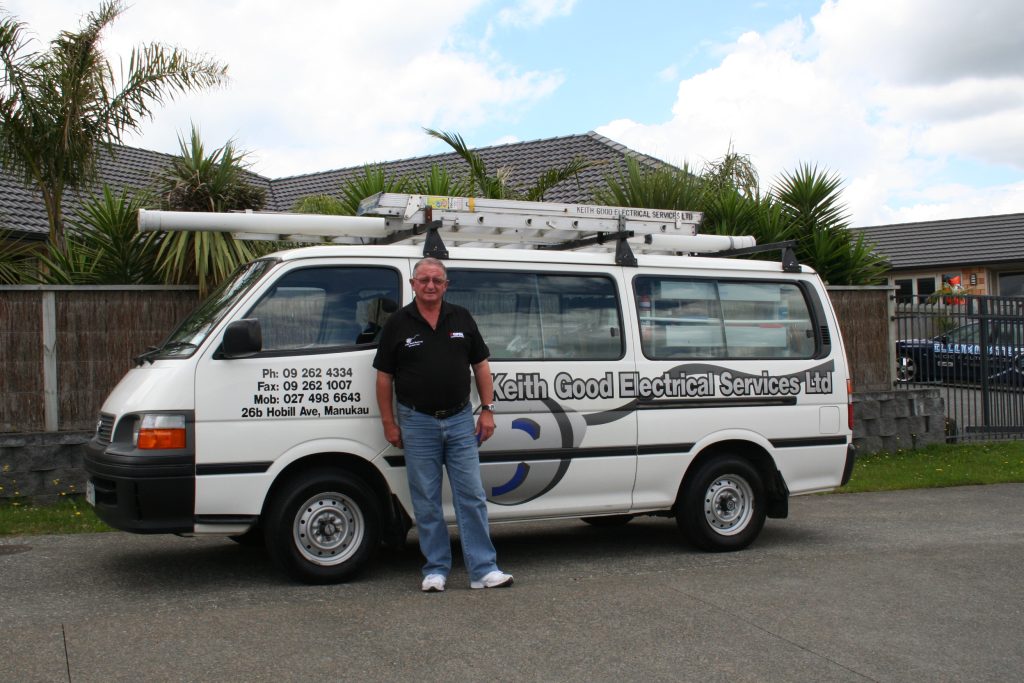
With smart electrical services, you can modernize your Takanini property through automated lighting, energy monitoring, and remote control of appliances that reduce bills and boost comfort. These upgrades enhance safety with smart switches and fault detection, simplify maintenance via centralized diagnostics, and increase your property’s market appeal and resilience. By choosing tailored installations and professional support, you ensure reliable performance, regulatory compliance, and long-term savings for your home or investment.
Key Takeaways:
- Smart systems cut energy use and bills by automating lighting, heating/cooling, and load management.
- Remote control and automation boost tenant convenience and property management efficiency via apps and voice control.
- Advanced safety features-smart breakers, sensors, and predictive diagnostics-reduce fault risks and downtime.
- Upgrading to smart electrical services increases property value and attracts higher-paying tenants or buyers.
- Seamless integration with solar, EV charging, and utility programs future-proofs properties for sustainability and compliance.
Understanding Smart Electrical Services
Definition and Overview
You can view smart electrical services as the integration of IoT devices, software and grid-aware hardware that let you monitor, control and optimise power across a property. They combine smart meters, automated lighting and HVAC controls, EV chargers and solar/battery management, often using Zigbee, Z-Wi‑Fi or BACnet protocols. Typical installations can cut household energy use by 10-30% through scheduling, demand response and real-time feedback.
Key Components of Smart Electrical Systems
Core components you should expect include smart meters and submeters for per-circuit kWh data; occupancy, light and voltage sensors; smart switches and circuit breakers for remote switching and load-shedding; an energy management hub (HEMS) that runs automation and cloud integrations; plus EV chargers, solar inverters and battery storage for on-site generation and resiliency.
For example, modern smart meters often report usage every minute, enabling your HEMS to shift high-load tasks to off-peak windows. A 7 kW AC charger typically adds ~30-40 km of range per hour, so scheduling it to match daytime solar output avoids grid peaks. Pairing a 4-6 kW rooftop array with a 10 kWh battery and a load-management breaker lets you prioritise necessary circuits during outages while lowering peak demand on your supply.
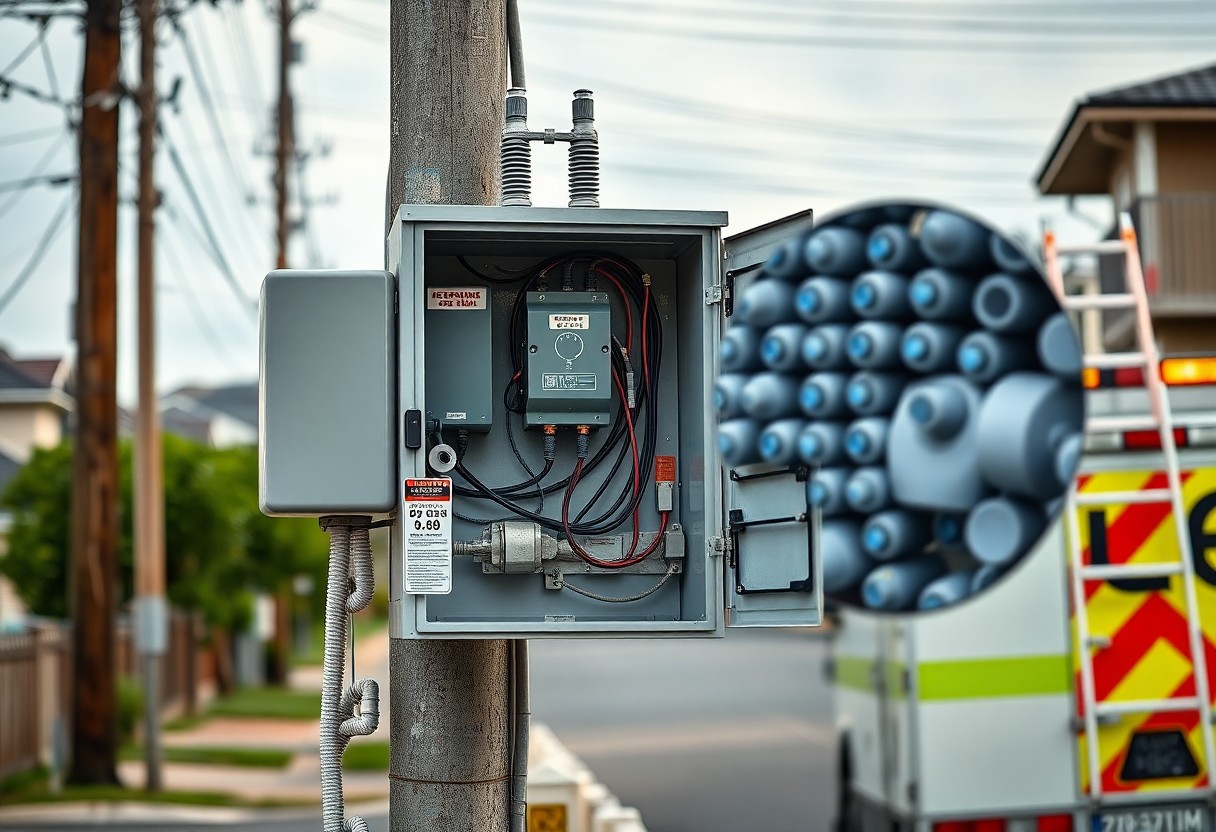
Benefits of Smart Electrical Services for Takanini Properties
Smart electrical upgrades deliver measurable benefits for your Takanini property: improved energy efficiency, stronger security, and higher rental or resale value. You can cut running costs by 10-30% through smart thermostats and LED zoning, reduce vacancy and maintenance with remote monitoring, and increase appeal to tenants or buyers-studies indicate smart features can add roughly 2-5% to property value.
Energy Efficiency and Cost Savings
Smart thermostats, LED lighting and load management let you shave peak bills and exploit time‑of‑use rates. You can schedule EV charging overnight, shift dishwashing cycles to low‑cost periods, and integrate PV with battery control to raise self‑consumption to 60-80%. Typical household savings fall in the 10-30% range, with payback often within 3-5 years depending on usage patterns.
Enhanced Security Features
Smart security systems give you instant alerts, remote live view and keyless entry that reduce on‑site callouts. You can create temporary access codes for tradespeople, automate lights to mimic occupancy, and tie doorbell cameras to lighting scenes so suspicious activity is deterred automatically. Integration with monitoring services speeds response when a verified event occurs.
Drilling into specs, choose 1080p or 4K cameras with configurable motion zones, night vision and two‑way audio; expect push alerts within 2-5 seconds and cloud retention options of 7-30 days. AI analytics can substantially lower false positives, while AES‑256 encryption and local battery backup (24-72 hours) protect footage during outages. Installation for a typical townhouse kit and basic monitoring usually ranges NZD 800-2,500 depending on device count and service level.
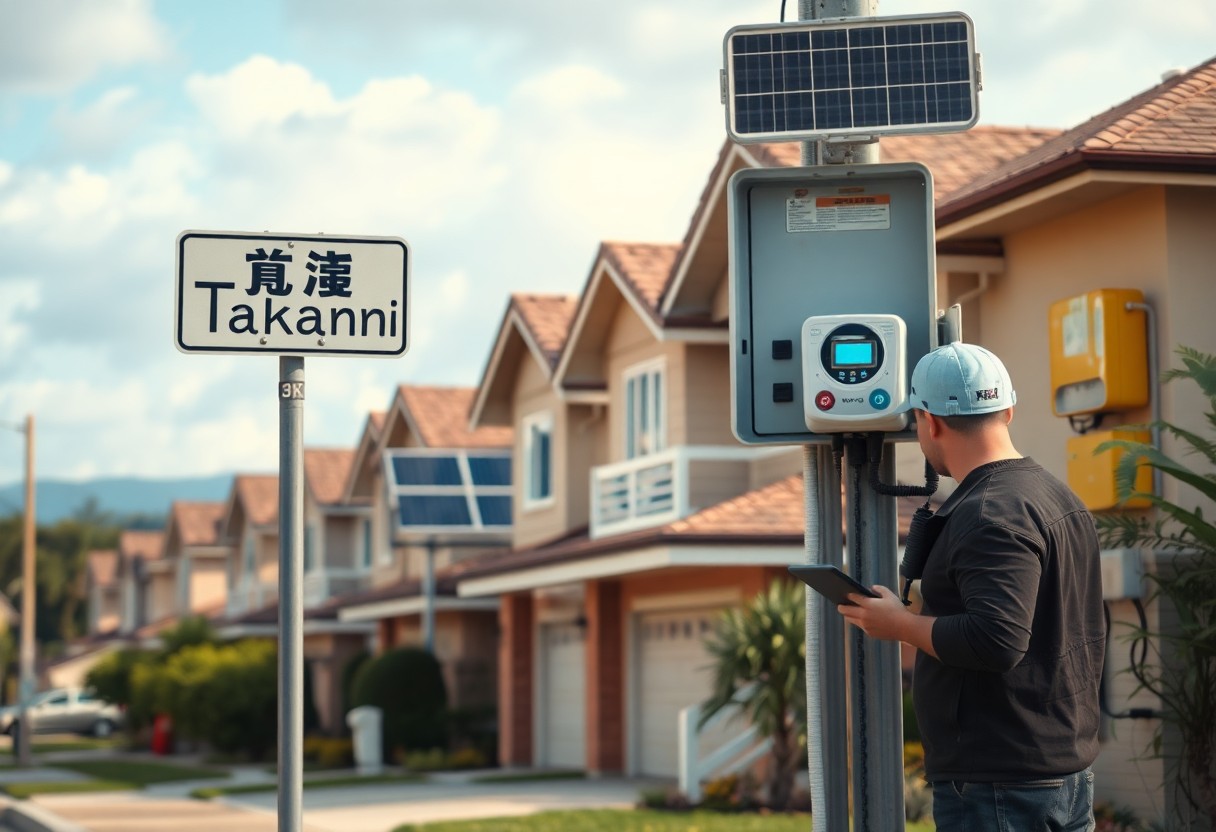
Smart Technology Trends in Takanini
You’re seeing faster adoption of mesh Wi‑Fi, Matter-compatible devices, and integrated solar-plus-battery systems across Takanini developments; installers now prewire Ethernet and EV-ready conduits in many new builds. Local electricians pair smart meter data with home energy management platforms so you can track hourly usage, and property managers deploy remote fault alerts to cut maintenance response times by days rather than weeks.
Integration of IoT Devices
You can connect thermostats, security cameras, smart plugs and meters via Zigbee, Z‑Wave or Matter, with gateways translating protocols for seamless control. Installers commonly recommend segregated IoT VLANs and wired backbones to support dozens of devices per home, while encrypted MQTT or HTTPS APIs let you aggregate sensor data into dashboards for real‑time monitoring and automated alerts.
Advances in Home Automation
You’ll notice automation shifting from simple timers to AI-driven schedules that often reduce heating energy by 10-20% through adaptive setpoints and occupancy-based control. Voice assistants now trigger multi‑device “scenes,” and utilities increasingly offer demand‑response hooks so your home can shift loads during peak events to save on tariffs.
Delving deeper, you can combine occupancy sensors, geofencing and solar production forecasts to orchestrate actions-preheat with excess PV, delay EV charging until midday generation, or isolate nonimportant loads during outages. Local controllers (Home Assistant, Hubitat) keep latency low-typically under 200 ms for local scenes-and professional installs in Takanini commonly range from NZ$1,000-10,000 depending on scope, wiring and integration complexity.
Case Studies: Successful Implementations in Takanini
Across Takanini projects you’ll find measurable gains: average energy reductions of 18-28%, payback periods between 2-4 years, and installation windows from one day for small homes to two weeks for larger commercial retrofits. Several clients reported tenant satisfaction increases of 15-30% and maintenance call volumes dropping by up to 40% after smart monitoring and automation went live.
- Oak Street Residence: 3-bedroom retrofit with smart thermostat, LED, and solar tie-in – 24% annual energy cut, 3.1-year payback, NZ$1,850 annual bill reduction, installed in 2 days.
- Hillside Duplex: two-unit smart metering and load balancing – 20% combined savings, peak demand down 35%, project cost NZ$8,400, ROI 3.6 years, tenant-reported comfort up 22%.
- Takanini Mall Office Block: 1,200 m² office BMS upgrade, occupancy sensors, and scheduled HVAC – energy use down 26%, downtime incidents reduced 50%, annual savings NZ$26,000, 10-day deployment.
- Logan Logistics Warehouse: 2,400 m² warehouse LED + smart lighting controls + demand response integration – lighting consumption fell 62% (≈140,000 kWh/year), annual savings NZ$28,000, peak shaving cut charges by 18%.
- St. Mary’s Preschool: safety-focused installation with smart switches and emergency lighting monitoring – maintenance calls fell 45%, compliance reporting automated, upfront cost NZ$5,200, break-even 2.8 years.
Residential Projects
When you upgrade homes in Takanini, typical outcomes include 18-30% energy savings and improved comfort through zoned thermostats and smart scheduling. Installations often take 1-3 days, cost between NZ$3,000-12,000 depending on scope, and combine measures like LED lighting, smart meters, solar tie-ins and EV-ready circuits to deliver paybacks of 2-5 years while increasing resale appeal.
Commercial Projects
Commercial retrofits you oversee tend to deliver faster ROI: offices often cut consumption by ~25% while warehouses see 50-65% lighting reductions thanks to occupancy controls and daylight harvesting. Projects typically span 7-14 days, with cumulative savings frequently returning investment in 1-3 years and improving operational visibility via centralized dashboards.
In practice your commercial deployments will emphasize scalable controls: for example, a 1,200 m² office achieved NZ$26,000/year savings by combining BMS HVAC optimization, occupancy and CO₂ sensors, plus time-of-use scheduling. You’ll also benefit from demand-response enrollment and EV charging management that shave peak charges, reduce penalties, and provide clearer forecasting for facility budgets.
Challenges and Considerations
Several challenges can slow roll-out: legacy wiring in older Takanini homes may need partial rewiring, rooftop solar inverters must match your energy-management platform, and mobile‑app security requires strong passwords and two‑factor authentication. You’ll also weigh connectivity limits-suburbs with congested 2.4 GHz bands can cause smart-device dropouts-and data privacy when cloud services store usage patterns, so vet providers’ data policies and local support availability.
Installation and Maintenance Requirements
Expect licensed-electrician work for mains integrations and PV/battery hookups, with a typical 3‑bedroom retrofit taking 1-3 days; full home automation can take several weekends. You’ll schedule firmware updates monthly or quarterly, change sensor batteries every 1-3 years, and test protective devices (RCDs) annually. Local installers often offer maintenance plans; confirm SLAs, spare parts availability, and whether installers are familiar with NZ network regulations.
Cost Implications
Upfront costs vary widely: single smart thermostat or lighting package can be NZD 300-1,000, while whole‑house automation or EV charger plus battery storage ranges NZD 5,000-25,000. You should include ongoing expenses such as cloud subscriptions (NZD 5-30/month) and occasional device replacements, which affect your payback horizon.
For example, budgeting an extra 10-20% annually for maintenance and services helps avoid surprises; many homeowners recoup smart‑lighting and thermostat investments within 3-7 years from 10-30% energy savings, whereas PV+battery projects often need 7-12 years without subsidies. You should also check EECA grants, council rebates, and finance options that can lower initial outlay and shorten payback periods.
Future of Smart Electrical Services in Takanini
As Takanini’s residential and mixed-use projects accelerate, you’ll see smart electrical services move from optional extras to expected features, with more homes integrating solar-plus-storage, EV charging and centralised building energy management; local builders already report shorter vacancy times when properties offer advanced controls, and you can leverage these upgrades to cut running costs and increase appeal to tech-savvy buyers and tenants.
Emerging Technologies
You’ll encounter rapid adoption of IoT sensors, edge AI for load forecasting, non-intrusive load monitoring and standards like Thread or Matter for device interoperability; lithium‑ion battery pack prices have fallen roughly 90% since 2010, enabling affordable home storage, while virtual power plants (VPPs) let you aggregate rooftop batteries to sell capacity and earn revenue during peak events.
Predictions for Property Development
Developers in Takanini are likely to make smart wiring, EV-ready parking and integrated energy management standard, driven by tenant demand and lifecycle cost savings; within a decade many new builds will include on-site renewables sized to reduce daytime mains draw and dashboards that let you monitor performance, lowering operating expenses and shortening time-to-let.
Expect specifications to shift: you can anticipate centralised control hubs, smart metering for each unit, and prewired EV circuits becoming checklist items for approvals, while predictive-maintenance sensors will cut reactive repairs by an estimated 15-25%; combining these measures with targeted incentives or finance packages will help you deliver higher-quality, lower-risk assets that command stronger long-term returns.
Final Words
Now smart electrical services are transforming Takanini properties by giving you precise control over energy use, lowering your bills, and enabling remote management of lighting, heating and appliances; they enhance safety with automated fault detection and monitoring, streamline maintenance planning, and boost property value while improving comfort and convenience for you and your tenants.
FAQ
Q: What are smart electrical services and how do they apply to Takanini properties?
A: Smart electrical services refer to systems that use sensors, connectivity and automation to control lighting, heating, metering, EV chargers, solar inverters and appliances. For Takanini properties this means fitted solutions – smart lighting and switches, Wi‑Fi thermostats, sub‑metering, energy management platforms and managed EV charging – that can be installed in homes, rental units and commercial buildings to enable remote control, scheduling, usage monitoring and integration with local solar or battery systems.
Q: How do smart electrical upgrades reduce energy bills and support sustainability in Takanini?
A: By combining LED lighting, occupancy sensors, programmable thermostats and real‑time energy monitoring, smart systems cut wasted consumption and shift use to lower‑cost periods. Integration with rooftop solar and battery storage plus smart EV charging allows on‑site generation to be prioritized. Many properties see measurable reductions in consumption – commonly in the 10-30% range depending on behaviour and system scope – and gain the ability to participate in time‑of‑use pricing or demand‑response programs, improving both cost savings and carbon outcomes.
Q: Will smart electrical services improve safety and meet New Zealand compliance standards?
A: Yes. Modern smart installations include safety features such as RCD protection, surge suppression, arc fault detection, load balancing to avoid overloaded circuits, and remote fault alerts that speed up response. All work should be performed by licensed electricians to ensure compliance with New Zealand electrical regulations and building requirements; correctly installed smart equipment also simplifies testing, certification and insurer reporting by providing clear event and usage logs.
Q: Can smart electrical systems be retrofitted into older Takanini homes, and how disruptive is installation?
A: Retrofitting is commonly feasible and ranges from minimal to moderate disruption depending on the upgrade. Wireless smart switches, smart plugs and controller hubs often require no rewiring and can be installed quickly, while whole‑home energy management, meter upgrades or adding EV chargers may need circuit work and a short power outage. Installations are typically staged: assessment and design, permit and compliance checks, then phased fitting to reduce occupant disruption. A licensed electrician will provide a site‑specific plan and timeframe.
Q: Do smart electrical services increase property value and tenant appeal in Takanini?
A: Yes. Properties with smart energy management, home automation, EV charging readiness and efficient lighting are more attractive to buyers and tenants seeking lower running costs, convenience and sustainability. Landlords can market lower operating expenses and tech‑ready amenities, which can support higher rents and faster lettings. For owners, the combination of reduced bills, potential incentives and increased marketability can produce a favourable payback period depending on the scope of upgrades and local market conditions.