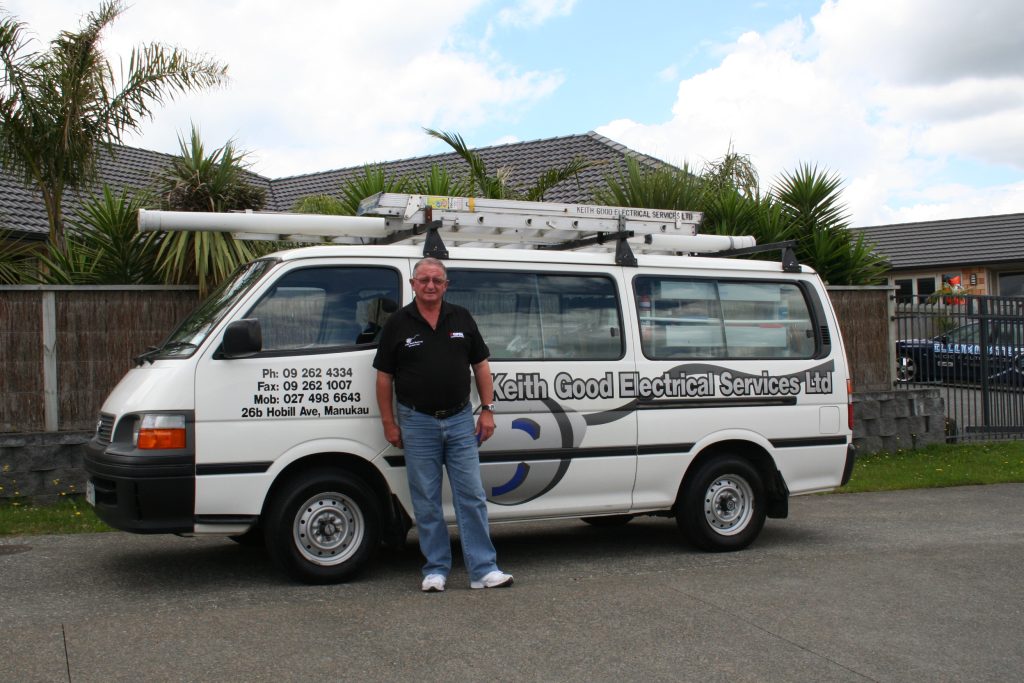
You can significantly improve your Manukau home by engaging professional electrical services that enhance safety, boost energy efficiency, modernise lighting and smart systems, and ensure compliance with local regulations; licensed electricians diagnose hidden faults, recommend tailored solutions, and provide reliable installations and maintenance, protecting your family and investment while reducing long-term costs and preventing hazards.
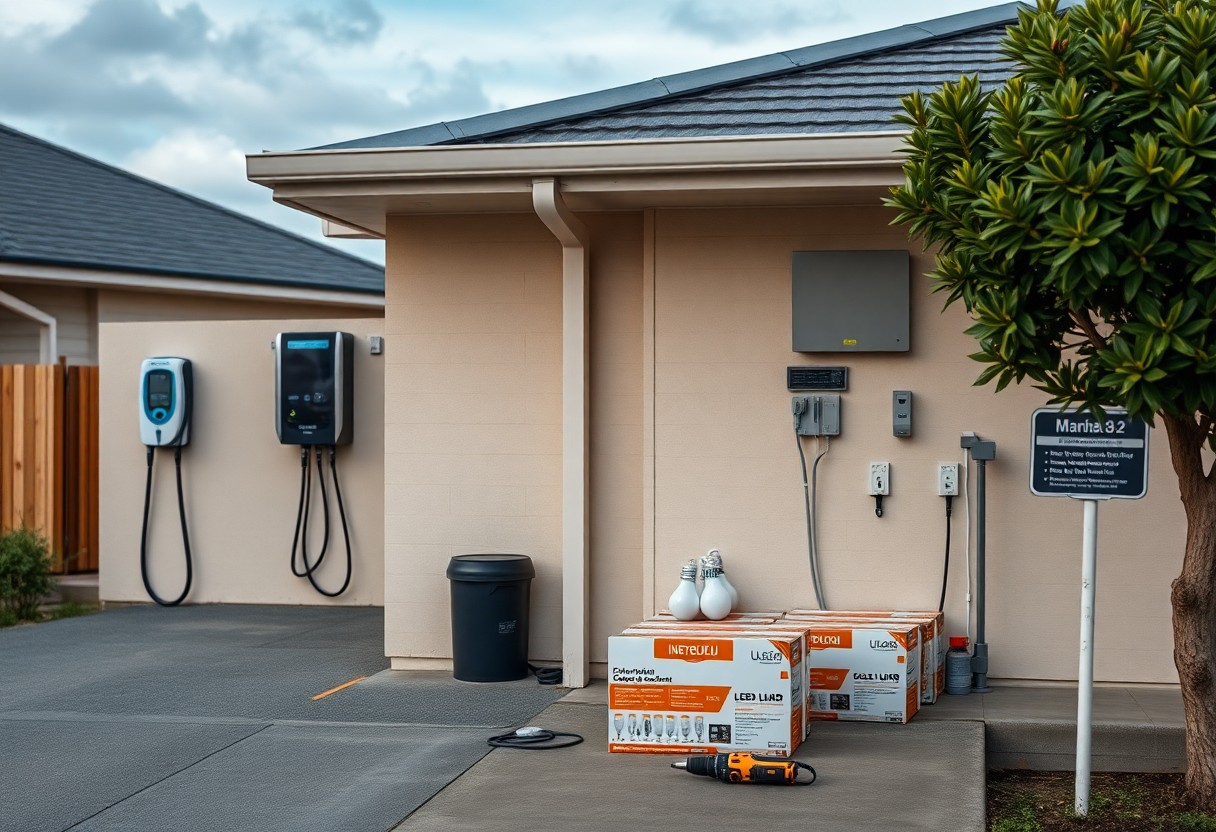
Key Takeaways:
- Professional electricians upgrade wiring and installations to reduce fire and shock hazards, improving household safety.
- Energy-efficient solutions-LED lighting, high-efficiency appliances, and smart controls-cut power use and lower bills.
- Certified tradespeople ensure work meets New Zealand electrical standards and Manukau Council permit requirements, avoiding non-compliance risks.
- Smart-home and modern lighting installations enhance comfort, convenience, and overall home functionality.
- Regular maintenance, prompt fault diagnosis, and quality installations increase reliability and can raise property value.
Benefits of Professional Electrical Services
You get faster, safer solutions when a licensed electrician handles faults, upgrades, or installations, often spotting issues that non‑professionals miss; technicians work to AS/NZS 3000 wiring standards, install RCD protection (30 mA sensitivity) and provide certificates for insurance and sale. Practical gains include lower bills from LED retrofits (lighting energy can drop by ~75%), reduced fire risk through correct earthing and circuit sizing, and warranties that maintain your home’s value.
Enhanced Safety and Compliance
When you hire a professional, your switchboard, earthing and RCDs are tested and documented to meet local code and insurer expectations; electricians use insulation testers, earth loop impedance meters and thermal imaging to find hot joints or overloaded circuits, and they replace unsafe aluminium or degraded wiring to decrease shock and fire hazards.
Improved Energy Efficiency
You can cut lighting consumption by up to 75% with LED retrofits and extend lamp life to 15,000-50,000 hours; installers also fit timers, occupancy sensors and smart switches so heating, cooling and lighting run only when needed, typically trimming household energy use by noticeable percentages.
For deeper savings, you should combine a full energy audit with targeted measures: swap halogens/incandescents for LEDs, install programmable controls or a smart meter, replace old hot‑water elements with higher‑efficiency units and optimise circuit allocation to reduce standby losses. Many LED and control upgrades repay within 1-3 years, while coordinated measures-including solar PV and efficient heat pumps-can cut mains consumption substantially and improve long‑term running costs.
Common Electrical Issues in Manukau Homes
Faulty Wiring and Outdated Systems
In older Manukau properties, especially those built before the 1990s, you often find original wiring, fuses or worn switchboards that no longer meet AS/NZS 3000 standards. These systems produce intermittent faults, poor earthing and warm outlets; in one local audit electricians found corrosion and degraded insulation in roughly 30% of pre‑1985 homes. You should have a licensed electrician inspect ageing wiring, replace unsafe components and certify any upgrades to keep your home compliant and safer.
Overloaded Circuits
When you run multiple high‑draw appliances – like space heaters, ovens or an EV charger – on the same circuit, breakers will trip, lights may dim and outlets can feel warm. Overloads commonly occur in kitchens and living rooms where the same circuit services several sockets; frequent nuisance trips signal the need for load assessment rather than repeated resets. A prompt electrical review prevents damage to appliances and reduces fire risk.
Diagnosing overloads involves measuring circuit load with a clamp meter and checking tripping history; continuous loads should stay under 80% of the breaker rating (so a 20 A circuit should carry no more than 16 A continuously). You can fix this by adding dedicated circuits for heavy appliances, upgrading the switchboard and installing RCDs or higher capacity protection only after an electrician verifies cable sizing and compliance. Practical upgrades often resolve persistent tripping and improve overall safety.
Energy-Efficient Upgrades
Professionals focus your upgrades where they deliver the biggest returns: LED retrofits, smart heating controls and load-management systems. LED lighting can cut lighting energy by up to 75% and lamps last 15,000-50,000 hours, while smart thermostats commonly lower heating/cooling costs by about 10-12%. You also gain compliant installations to AS/NZS 3000, optimized controls to shift use to cheaper tariff periods, and measurable reductions in mains consumption after retrofit work.
LED Lighting Solutions
Switching to LED downlights, retrofit tubes and task lighting reduces energy use up to 75% and extends service life from roughly 1,000 hours for halogens to 15,000-50,000 hours. You should specify CRI ≥80, appropriate colour temperature (2,700-4,000K for living and task zones), dimmable drivers where needed, and correct beam angles for kitchens and hallways; professionals handle driver compatibility, heat management and emergency luminaire requirements.
Smart Home Technology Integration
Smart thermostats, energy monitors and app‑controlled switches let you schedule, zone and remotely manage loads, often cutting heating/cooling costs by about 10-12% and reducing overall consumption through behavior change. Contractors integrate devices with solar inverters and battery systems, set time‑of‑use shifting and automated load shedding, and ensure secure networks (Z‑Wave, Zigbee, Wi‑Fi) so you can control your home reliably and safely.
In practice, integration begins with an energy audit to identify high‑use circuits and savings opportunities; then your electrician selects devices (smart thermostats, whole‑home energy monitors, smart relays, EV charger on a dedicated circuit) and configures network segmentation and firmware updates to reduce cyber risk. You’ll benefit from scenarios such as geofencing to avoid heating empty homes, occupancy sensors that cut lighting 20-30%, and PV+battery management that shifts heavy loads to midday generation-projects that typically deliver double‑digit percentage reductions when professionally installed to AS/NZS 3000 standards.
Routine Maintenance and Inspections
Importance of Regular Check-ups
Schedule a full electrical inspection at least once a year; licensed electricians use thermal imaging, insulation-resistance tests and RCD trip testing to find loose connections, overloaded circuits and hidden hotspots. If your home is older than 30 years or you’ve done renovations, tighten the interval to every 6-12 months and request a wiring-age assessment plus a load calculation to confirm circuit capacity.
Preventative Measures for Homeowners
You should test smoke alarms and press the RCD test button monthly, avoid daisy-chaining power boards, replace frayed cords immediately, keep switchboards dust-free and ventilated, and label circuits for faster isolation. Using dedicated circuits for high-draw appliances (e.g., oven, heat pump, tumble dryer) reduces nuisance trips and extends device life.
Create a simple maintenance log with dates of tests, trips and electrician visits so you can spot patterns. For example, a Manukau homeowner logged monthly RCD tests, identified repeated trips from the laundry, and after rebalancing loads and adding a dedicated circuit eliminated outages-an approach that saved repeated call-outs and reduced appliance stress. Update the log after storms or renovations.
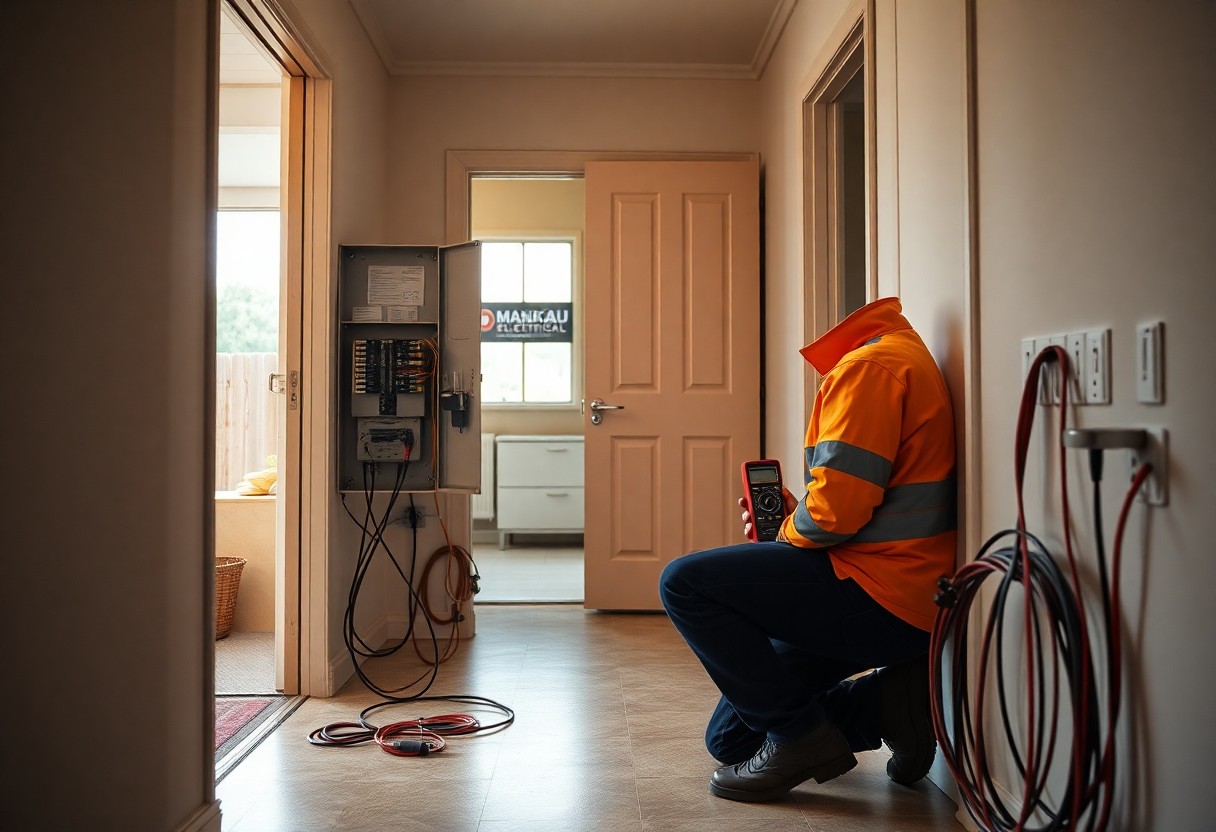
Choosing the Right Electrician
Verify EWRB registration and Master Electricians membership, ask for written quotes that list parts and labour, and confirm fixed-price estimates for larger jobs. Check they follow AS/NZS 3000 wiring rules and carry public liability insurance (commonly NZ$1,000,000+). For specialised work, such as EV charger or solar installs, request evidence of at least 5 similar projects and a 12‑month workmanship warranty to protect your home and investment.
Qualities of a Professional Electrician
Prioritise electricians who communicate clearly, provide itemised quotes, and produce compliance paperwork after work. Expect tidy site management, calibrated test equipment use, and adherence to AS/NZS 3000 standards. You should see examples of past jobs-switchboard upgrades, LED retrofits, or smart-home wiring-and a willingness to explain safety upgrades and estimated savings in plain terms before any work begins.
Evaluating Experience and Qualifications
Assess qualifications like a New Zealand Certificate in Electrical Engineering (Level 4), EWRB registration, and trade apprenticeships; those credentials indicate formal training. Ask how many years they’ve worked on residential projects-ideally 5+-and whether they regularly update skills for EV, solar, or smart-home installs. Verification of ongoing professional development shows they keep pace with standards and new technologies.
Request project references with dates, photos, and client contacts so you can verify workmanship and timeliness; reputable electricians will share at least 3 recent residential jobs. Also demand proof of public liability insurance (NZ$1,000,000+), a written warranty (commonly 12 months), and any issued Certificates of Compliance or test results. Comparing online reviews, trade association badges, and specific answers about AS/NZS 3000 compliance helps you choose confidently.
The Cost of Professional Electrical Services
Costs vary by job complexity, but you should expect transparent line items for labour, parts and compliance. Typical small jobs like replacing a socket or installing a smoke alarm often range NZ$100-$300, while larger works such as circuit upgrades or partial rewires can run into the thousands. You pay for certified workmanship and warranty: a licensed electrician in Manukau delivers compliance certificates, tested safety, and warranties that protect you from future costs and liability.
Understanding Pricing Structures
Electricians usually quote either hourly rates or fixed prices; hourly rates in the region commonly sit between NZ$80-$120 and diagnostic or call-out fees of NZ$50-$120 are normal. Materials are often billed separately with a typical markup of 10-20%. For larger projects you’ll see staged quotes-design, install, inspection-so compare whether quotes include council consent, testing and a compliance certificate to avoid surprise fees later.
Long-term Financial Benefits
Investing in professional upgrades like LED lighting, efficient wiring and smart controls cuts energy use and maintenance. LEDs can reduce lighting consumption by 50-80%, and proper circuit upgrades prevent repeated faults that cost you time and emergency call-outs. Over 1-5 years these savings often offset initial costs, while documented compliance increases buyer confidence when you sell.
For example, a LED retrofit plus smart thermostat in a typical four-bedroom Manukau home can lower annual electricity bills by roughly NZ$300-$600 depending on usage. By contrast, delaying rewiring risks repeated outages and appliance damage that may cost thousands in emergency repairs. You also gain resale value: a current compliance certificate and modern electricals can add several thousand NZD to an asking price and shorten time on market.
FAQ
Q: How do professional electrical inspections improve safety in Manukau homes?
A: Registered electricians conduct comprehensive inspections that identify overloaded circuits, faulty wiring, deteriorated switchboards and non-compliant installations common in older Manukau houses. They test earthing and RCDs (residual current devices), replace unsafe components, and provide a written report with prioritized repairs, reducing fire and electrocution risk while ensuring compliance with New Zealand standards and Auckland Council requirements.
Q: In what ways can electrical upgrades lower energy bills for Manukau residents?
A: Professionals install LED lighting, energy-efficient appliances, smart thermostats and timers, and upgrade insulation-friendly controls to reduce consumption. They can assess circuit layout to minimize losses, recommend load shifting strategies, and integrate solar PV systems and battery storage with correct inverter sizing, which together deliver measurable reductions in monthly electricity costs.
Q: How can electricians help integrate smart home technology in Manukau properties?
A: Electricians design and install reliable infrastructure for smart lighting, security systems, automated blinds, and voice-controlled devices, ensuring proper networked power distribution and surge protection. They configure energy monitoring, seamless integration with existing wiring, and future-proof conduit routes so homeowners gain convenience, enhanced security and better energy management without ad-hoc or unsafe DIY wiring.
Q: What value does professional lighting design add to homes in Manukau?
A: A qualified electrician-electrical designer combines aesthetic and functional lighting plans-task, ambient and accent lighting-while selecting appropriate fixtures, dimmers and circuit zoning to enhance rooms and outdoor areas. Proper lighting improves comfort, highlights property features, increases usable outdoor space with safe exterior fittings, and can raise market appeal and resale value.
Q: Why should Manukau homeowners use licensed electricians for EV charger installation and other new systems?
A: Licensed electricians ensure EV chargers, heat pumps and high-load appliances are installed with correct circuit capacity, dedicated protection, and compliant permitting, preventing overloads and protecting warranties. They coordinate with network providers if demand increases, obtain necessary inspections and certificates, and provide documentation needed for insurance and future property transactions.