
Over the years, electrical safety has become a vital aspect of maintaining a safe home environment. As a homeowner in South Auckland, you should prioritize understanding imperative practices to protect yourself and your family from electrical hazards. This post will provide you with valuable insights and tips from experienced electricians that can help you ensure your home’s electrical systems are safe and efficient. Implementing these guidelines will not only enhance your safety but also contribute to the longevity of your electrical installations.
Key Takeaways:
- Always ensure the power is turned off at the circuit breaker before undertaking any electrical work.
- Use insulated tools and wear rubber-soled shoes to reduce the risk of electric shock.
- Regularly inspect cords and plugs for fraying or damage; replace them immediately if unsafe.
- Install smoke alarms and test them monthly to ensure they are functioning properly.
- Hire a licensed electrician for complex installations or repairs to ensure compliance with safety standards.
Importance of Electrical Safety
Prioritizing electrical safety is important for preventing accidents and ensuring your home functions efficiently. With a significant number of residential fires attributed to electrical malfunctions, you can’t afford to overlook safety measures. By being aware of potential hazards and adhering to safety protocols, you protect not only your property but also the health and well-being of your family.
Understanding Electrical Hazards
Electrical hazards can arise from various sources, including faulty wiring, improperly used appliances, and exposed wiring. You need to recognize these risks in your environment, as they often lead to shocks, fires, and other severe accidents. Regular inspections of your home and electrical systems can help identify potential dangers before they escalate.
Consequences of Poor Electrical Practices
Engaging in poor electrical practices can lead to devastating outcomes, including property damage, electrical fires, and personal injury. Neglecting routine maintenance and ignoring warning signs such as flickering lights can create hazardous conditions in your home. The financial implications of such incidents can also be significant, with repair and recovery costs adding up quickly.
For instance, according to the National Fire Protection Association, electrical failures are responsible for over 50,000 home structure fires each year, resulting in nearly 500 deaths and $1.3 billion in property damage. These alarming statistics underscore the importance of adhering to best practices for electrical safety. By investing time in educating yourself and maintaining your electrical systems, you significantly reduce the risk of these consequences and protect your home from potential disasters.
Common Electrical Safety Tips
Adopting simple habits can significantly enhance your electrical safety at home. Ensure you regularly check your power cords for damage, avoid overloading outlets, and always use appliances as intended. Additionally, keep electrical devices away from water sources and educate your family about electrical safety practices.
- Inspect cords and plugs for wear.
- Avoid using damaged equipment.
- Don’t overload outlets.
- Keep electrical appliances dry.
- Educate family members on safety.
After implementing these tips, you create a safer environment for everyone in your home.
Regular Inspections
Using Qualified Electricians
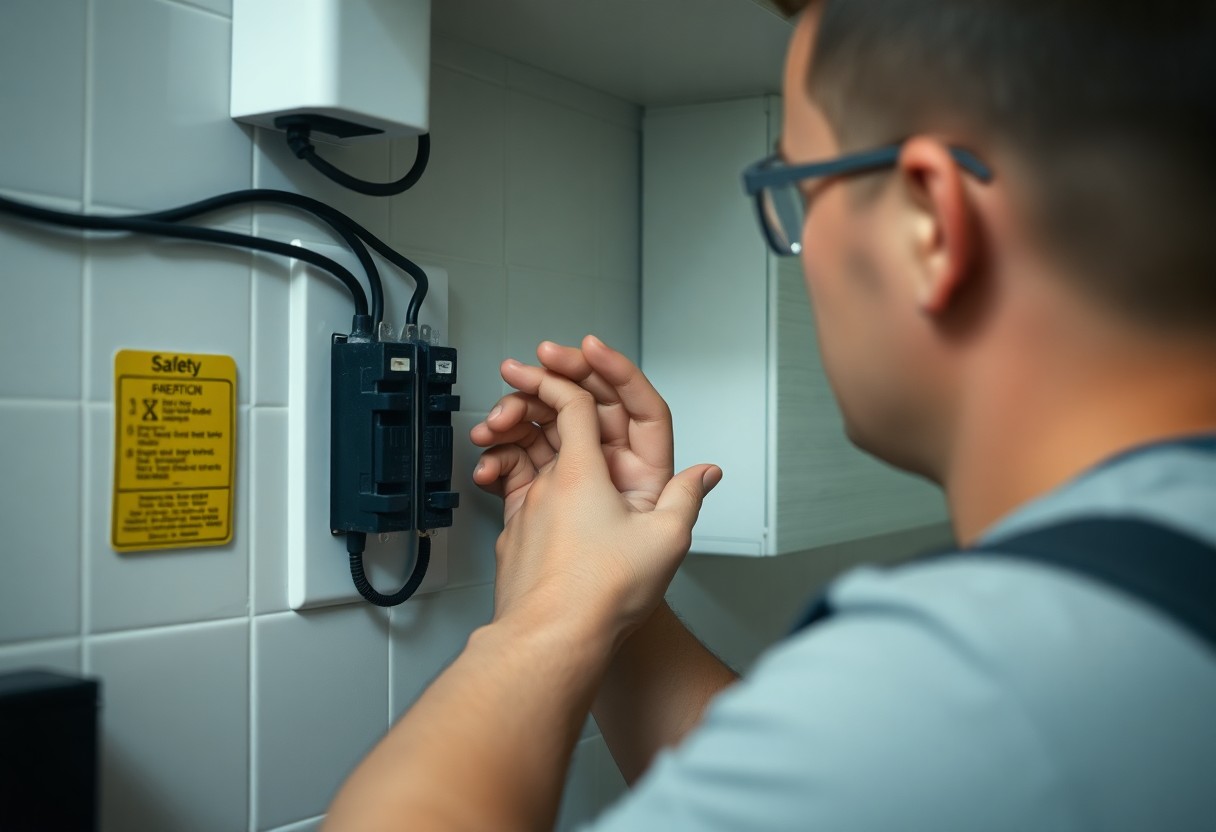
Utilizing qualified electricians ensures that all electrical work meets safety standards and regulations. This not only protects your home but also your family from potential electrical hazards. Professionals are trained to handle complex issues that may arise and can provide valuable advice on maintaining your electrical system.
Safe Use of Electrical Appliances
Ensuring the safe use of electrical appliances is important for protecting your home and family. Always follow manufacturer instructions, and avoid overloading circuits by plugging too many devices into one outlet. Keep appliances away from water to prevent shocks, and inspect cords regularly for signs of wear or damage. Also, be cautious when using extension cords-their temporary nature can lead to unsafe practices if mismanaged.
Maintenance Guidelines
Regular maintenance of your electrical appliances helps extend their lifespan and ensures they operate safely. Schedule periodic inspections with a licensed electrician to identify potential issues before they escalate. Clean appliances according to the manufacturer’s recommendations and replace worn-out parts promptly to avoid disruptions or hazards.
Proper Usage Practices
Adopting proper usage practices is key to electrical safety. Always use the right appliance for its intended purpose-never use a kitchen appliance in the bathroom, for example. Disconnect devices when not in use, and avoid using them with wet hands. If a device malfunctions, unplug it immediately and refrain from attempting repairs unless you are qualified to do so.
Each appliance in your home has specific safety guidelines that must be adhered to. For instance, when using space heaters, maintain a clear zone around them to prevent fires, and never leave them unattended. For kitchen appliances, ensure you read the safety warnings-blenders and food processors, for example, should not be submerged in water to prevent electrical shock. Properly utilizing these devices not only protects you but also maximizes their efficiency, allowing you to enjoy your electrical conveniences without worry.
Electrical Safety in the Home
Your home is filled with appliances and devices that require electricity, making it important to prioritize safety. Regular inspections of wiring and electrical systems can prevent hazards such as shorts and fires. Ensure your smoke detectors are functional and easily accessible. Always be cautious when using extension cords and avoid overloading outlets, as these actions can significantly increase your home’s risk of electrical issues.
Childproofing Electrical Outlets
Installing outlet covers or safety plugs can prevent curious fingers from accessing electrical outlets. Consider using tamper-resistant outlets, specifically designed to reduce the risk of accidental electric shocks. You can also educate older children about electrical safety, reminding them not to insert objects into outlets or play near cords.
Managing Electrical Loads
Overloading circuits is a common cause of electrical fires. Always check the wattage of each appliance and the capacity of your outlets to ensure you’re not using more energy than the system can handle. Distributing your devices across multiple outlets can help mitigate the risk of overload, providing a safer environment for you and your family.
When managing electrical loads, it’s advisable to invest in a watt meter to monitor the consumption of your appliances. This allows you to identify devices that draw excessive power. For example, consider that a typical circuit can support up to 1,440 watts; using a high-wattage appliance on the same circuit as several lower-wattage devices can easily exceed this limit. By remaining aware of your household’s electrical usage, you protect yourself from potential overloads and maintain a safer living environment.
Outdoor Electrical Safety
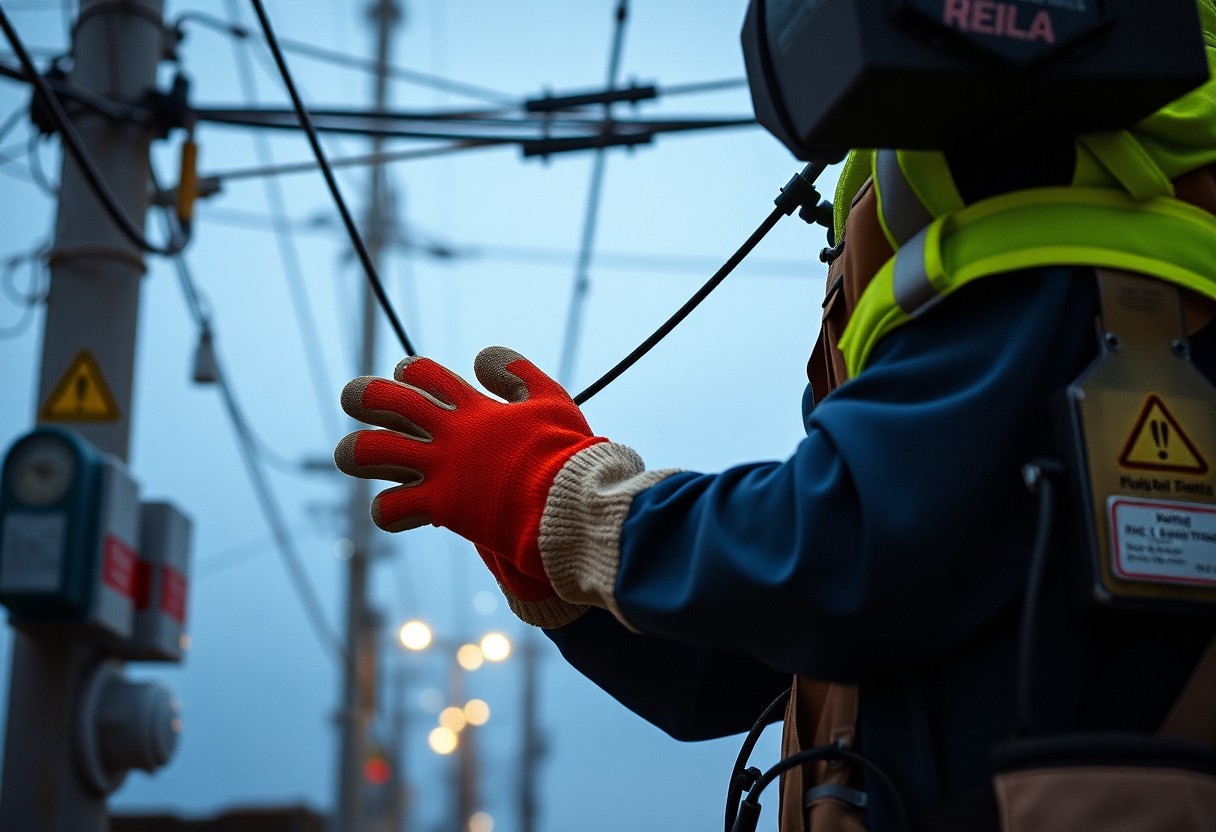
Your outdoor electrical setup demands careful attention to ensure safety. From landscaping to lighting, outdoor wiring can pose unique hazards if not properly maintained. Make it a priority to regularly inspect all external electrical installations, particularly those exposed to the elements, and employ protective measures to keep your systems functional and safe.
Weatherproofing Connections
To extend the lifespan of your outdoor electrical connections, weatherproofing is crucial. Utilize weather-resistant junction boxes and ensure that all exposed wires are shielded from moisture. Applying electrical tape and silicone sealant at connection points can prevent water ingress, reducing the risk of short circuits and electrical fires.
Safe Use of Extension Cords
When utilizing extension cords outdoors, prioritize safety by choosing cords designed for exterior use, ensuring they are rated to handle outdoor conditions. It’s vital to keep these cords away from water, avoid overloading them, and never run them through windows or doors, which can cause damage.
Extension cords are a convenient solution for powering outdoor devices, but they require responsible usage. Always check for signs of fraying or damage before use, as compromised cords can lead to serious hazards. Only use heavy-duty extension cords with appropriate wattage ratings for your appliances, and refrain from linking multiple cords together, as this can lead to overheating and pose fire risks. Additionally, ensure that cords are properly stored when not in use to prolong their life and maintain safety.
Emergency Preparedness
Being prepared for electrical emergencies can make a significant difference in minimizing risks and damage. Familiarize yourself with your home’s layout, including the location of the main electrical panel and all circuit breakers. Regularly test your smoke alarms and invest in a fire extinguisher rated for electrical fires. Practicing emergency drills with your family can also help ensure everyone knows how to respond quickly and safely during an electrical incident.
Knowing Electrical Shutdown Procedures
Properly shutting down electrical systems during an emergency is vital for ensuring safety. Locate your main electrical panel and understand how to turn off the power to specific circuits or the entire home if necessary. By practicing these procedures, you can act swiftly and avoid potential hazards, safeguarding both yourself and your property.
When to Call an Electrician
Identifying the right moments to call an electrician is vital for maintaining electrical safety in your home. You should seek professional help if you encounter frequent circuit breaker trips, flickering lights, or burning smells near outlets or switches. Additionally, unusual increases in your electricity bill may indicate underlying electrical issues that require expert evaluation.
Calling an electrician promptly can prevent small issues from escalating into major problems. For instance, persistent flickering lights could suggest faulty wiring or a loose connection, both of which pose fire hazards. Electricians can also identify and fix outdated systems that may not handle your current electrical load, helping to avoid potential breakdowns or safety risks. Staying proactive about electrical maintenance strengthens home safety and ensures reliable power for all your needs.
To wrap up
Considering all points, integrating these top electrical safety tips from a South Auckland electrician into your daily routine can significantly enhance your home’s safety. Regularly inspect your wiring, avoid overloading outlets, and always use appliances as intended. Ensure you employ qualified professionals for installations and repairs, and never hesitate to upgrade outdated systems. By following these guidelines, you can protect yourself and your loved ones from potential hazards while enjoying the convenience of electricity in your home.
FAQ
Q: What is the first step to ensure electrical safety in my home?
A: The first step is to have a qualified electrician perform a thorough inspection of your electrical system. They can identify potentially dangerous issues and provide recommendations for upgrades or repairs.
Q: How can I prevent electrical fires?
A: To prevent electrical fires, avoid overloading circuits, use extension cords sparingly, and ensure that all outlets and cords are in good condition. Installing smoke detectors in key areas also enhances safety.
Q: What are the signs of electrical problems I should look for?
A: Key signs include flickering lights, frequently tripped circuit breakers, burning smells, or scorch marks on outlets. If you notice any of these, contact an electrician immediately.
Q: Is it safe to do electrical work myself?
A: While minor tasks like changing a light bulb are generally safe, most electrical work should be performed by a licensed electrician to avoid risks such as shock or fire hazards.
Q: How often should I have my electrical system inspected?
A: It is recommended to have your electrical system inspected every three to five years, or more frequently if you notice any issues, to ensure ongoing safety and compliance with regulations.